

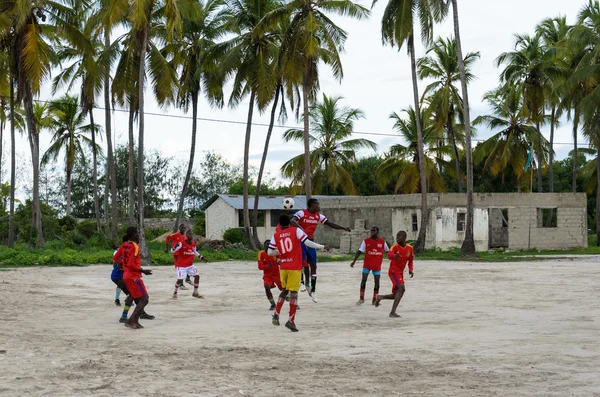
Community Football Matches: A Unique Safari Cultural Experience In safari regions across Africa, football has become more than just a recreational activity. It is a platform for cultural exchange, youth development, conservation education, and sustainable tourism. Community football matches held in or near wildlife areas offer a unique experience that blends sport with purpose. These events not only entertain but also help to build stronger, more connected, and environmentally responsible communities.
Football as a Platform for Conservation Awareness
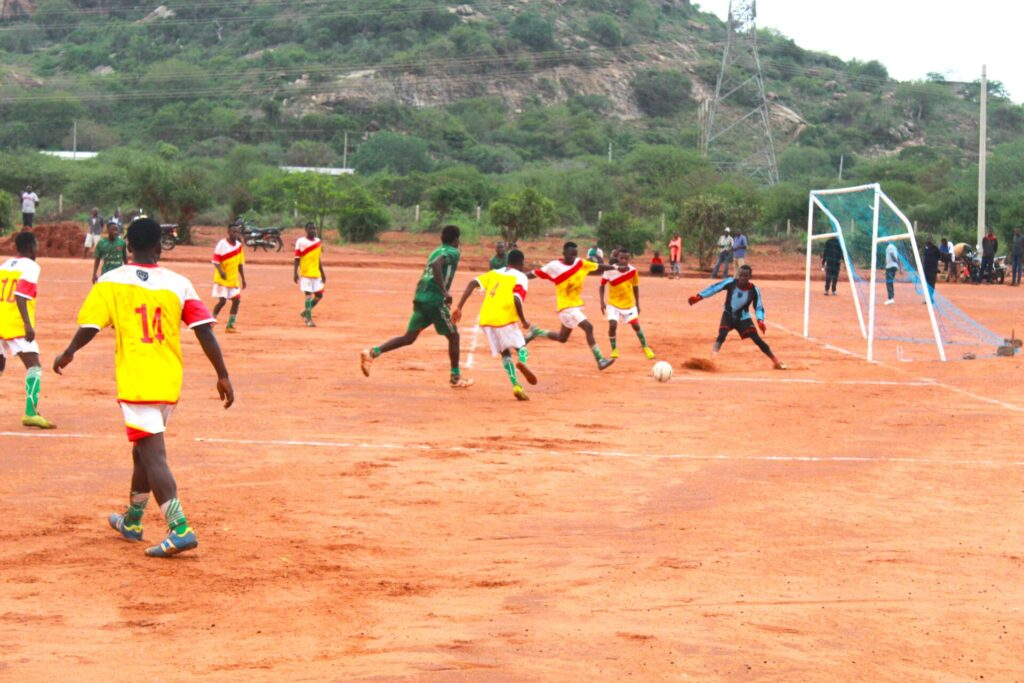
Football is one of the most popular and accessible sports across Africa. In remote areas where traditional communication methods may be limited, football matches provide an ideal platform to reach large, diverse audiences with critical conservation messages. Events are often organized in collaboration with local wildlife authorities or NGOs, allowing them to engage communities in conversations about protecting endangered species, preventing illegal poaching, and preserving natural habitats.
During matches, conservation themes are shared through speeches, banners, and short educational programs. Local rangers or conservationists may give talks before kickoff or during halftime, offering valuable information about wildlife laws, eco-friendly practices, or current environmental threats. The game draws the crowd; the message stays with them long after.
Strengthening Social Bonds and Community Participation
In many rural or protected areas, different ethnic groups, clans, and interest groups live in proximity to one another, but may not always interact in peaceful or cooperative ways. Football creates a space where community members—young and old, men and women, different tribes or villages—can come together, either as players or spectators. These shared moments help reduce tension, foster dialogue, and create a sense of unity that is essential for social development.
When matches are hosted on neutral grounds—such as near wildlife conservancies—they encourage participation across borders and backgrounds. The matches offer opportunities for people to engage in positive, collective action while also fostering mutual respect.
Celebrating and Preserving Local Culture
Community football matches in safari regions often include cultural components such as traditional music, dance, and storytelling. These elements are not just for entertainment—they are a vital part of preserving and promoting local identity. The events provide a space where cultural practices can be proudly displayed and shared with wider audiences, including tourists and visitors.
This cultural exposure adds richness to the match day experience. While football is the focal point, the surrounding festivities help highlight the uniqueness of each community. These expressions of culture also strengthen intergenerational connections, as elders participate through storytelling or song, while youth engage through sport and dance.
A Boost to Local Economies and Eco-Tourism
Football events in safari regions often attract attention from beyond the local community. Tourists visiting game parks and lodges are increasingly drawn to community-based events that offer authentic cultural interactions. Matches held near conservancies or safari lodges can be scheduled as part of cultural tourism packages, where visitors get to enjoy a game, sample local food, and shop for handmade crafts.
These events generate income through entry fees, food sales, and informal markets. In some cases, tour operators or conservation organizations sponsor the matches, providing uniforms, balls, or prize money. The funds raised are sometimes used to support community needs such as school supplies, water tanks, or sports equipment. This economic activity, though small in scale, is highly impactful in communities with limited resources.
Empowering Youth and Encouraging Education
Football plays an important role in engaging youth, especially in areas where there are limited educational or recreational opportunities. Organized tournaments provide young people with structure, mentorship, and the motivation to develop positive life skills. These events often include sessions on leadership, health awareness, education, and environmental responsibility.
In regions where unemployment and school dropout rates are high, football offers an alternative path. Youth who participate in matches gain confidence, discipline, and teamwork experience. In some programs, standout players may even receive scholarships or training opportunities that can lead to career development—whether in sports, education, or conservation work.
Addressing Real Challenges Through Sport
While community football matches in safari regions have many benefits, organizing them requires overcoming certain challenges. Matches need to be scheduled with safety in mind, especially if they take place near areas with active wildlife. Basic infrastructure—like level playing fields, uniforms, and first aid—is often lacking. Organizers must also ensure the events are inclusive and respectful of local traditions and social dynamics.
Nonetheless, when planned carefully, these matches are a model of how simple, community-led events can generate positive outcomes across multiple sectors—education, environment, tourism, and social cohesion.
Conclusion
Community football matches in safari settings are more than games—they are a reflection of how sport can serve as a bridge between people, culture, and nature. These matches support conservation education, promote youth empowerment, strengthen cultural identity, and encourage sustainable economic activity. They show how, even in remote or under-resourced areas, football can unite people with a common goal: to play, to celebrate, and to protect the environment they call home.
By focusing on both the social and ecological value of these events, community football becomes a powerful example of how sport can create real-world impact far beyond the pitch.
