
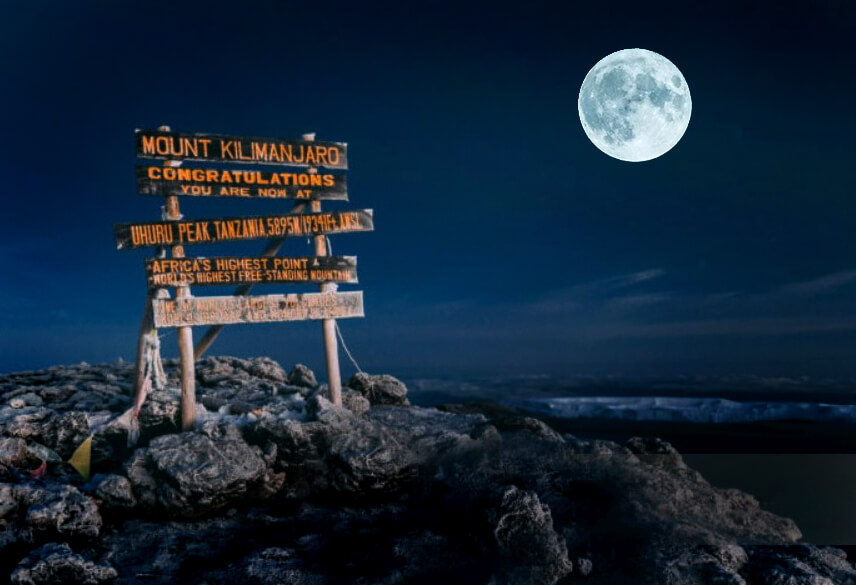

Is Climbing Kilimanjaro during full moon a truly magical experience For many trekkers, the idea of summiting Africa’s highest peak under the glow of a full moon sounds like a once-in-a-lifetime dream. But does the full moon really enhance the experience—or is it just another travel myth?
Climbing Kilimanjaro during a full moon offers a striking experience. The bright moonlight lights up the mountain landscape, casting dramatic shadows and providing excellent visibility on the trails, especially during the night ascent to the summit. Many trekkers describe the scenery as breathtaking, with the glowing peaks creating an unforgettable atmosphere.
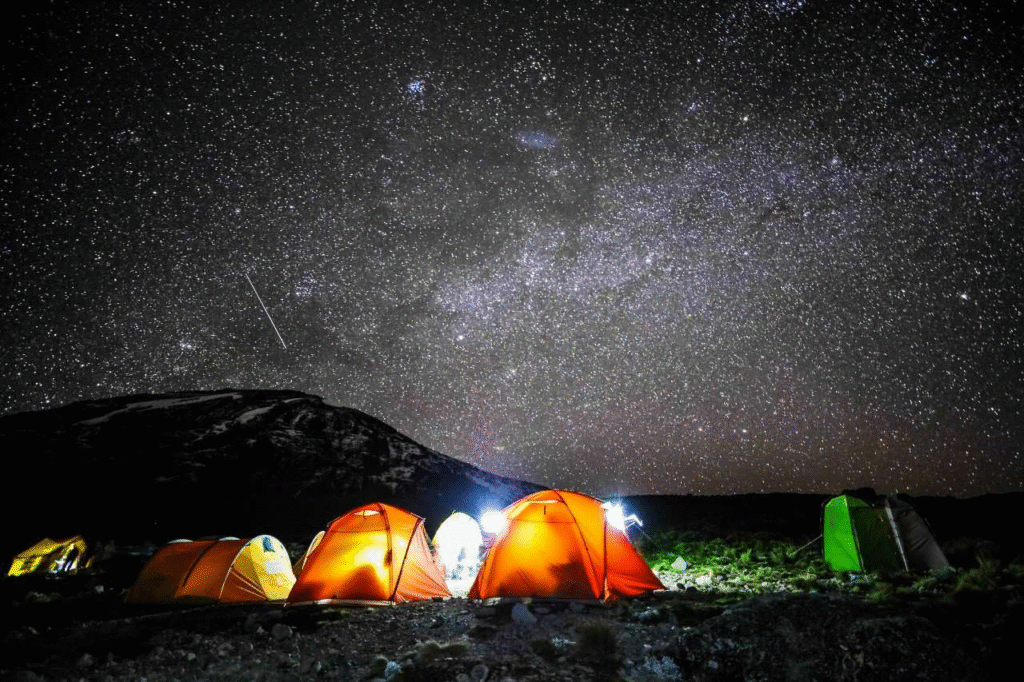
New Moon: Climbing Kilimanjaro during a new moon, when the sky is completely dark, provides a very different experience. The absence of moonlight makes stargazing exceptional, with clear skies revealing countless stars and sometimes even the Milky Way. However, the lack of natural light can make the night ascent to the summit more challenging, requiring climbers to rely heavily on their headlamps and guides for navigation. While this adds difficulty, the darker nights also create a quieter, more peaceful atmosphere on the mountain, appealing to trekkers who prefer solitude and a stronger sense of wilderness.
Blue Moon: A blue moon occurs when a season has four full moons instead of the usual three, making the third one a “blue moon.” Climbing Kilimanjaro during a blue moon does not differ much from a regular full moon trek in terms of visibility and trail conditions, since the moonlight is the same. However, the rarity of the event—happening only once every two to three years—adds a special sense of occasion. For some trekkers, summiting during a blue moon feels unique and symbolic, turning an already memorable climb into an even more meaningful experience.
In this article, we’ll explore the reality behind the full moon phenomenon on Kilimanjaro, its advantages and disadvantages, and whether it’s the right choice for your trek.
Climbing kilimanjaro during full moon
Why Climbing kilimanjaro during full moon matters
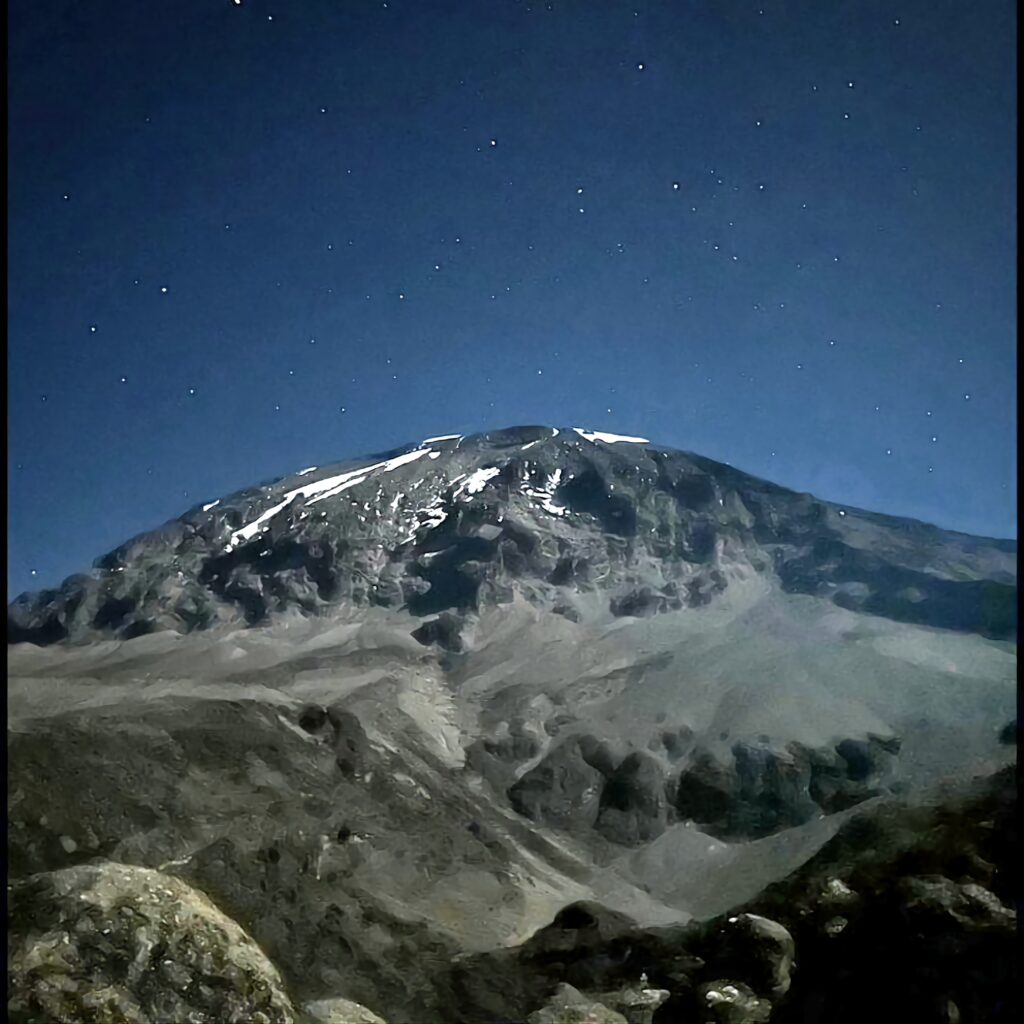
Unlike many treks around the world, Kilimanjaro’s summit push typically begins around midnight. Trekkers wake up in the dead of night and ascend in darkness for 6–8 hours to reach Uhuru Peak at sunrise. The terrain is rocky, steep, and exposed—and without natural light, it can be disorienting and mentally taxing.
This is where the Climbing kilimanjaro during full moon come in
During a Climbing kilimanjaro during full moon, the entire landscape is bathed in silver light. The trail becomes more visible, shadows stretch across the glaciers, and the sky glows with otherworldly clarity. It can feel as if you’re walking through a dream. For some climbers, it’s the most serene and awe-inspiring part of the entire journey.
The Visual Magic: Beauty and Atmosphere

There’s no denying the visual spectacle of Kilimanjaro under a full moon is rewarding for those who Climbing kilimanjaro during full moon
When the skies are clear, trekkers are treated to:
- A natural spotlight on the mountain trail
- Unobstructed views of the surrounding glaciers and peaks
- A dramatic, glowing sky without relying on headlamps
- The surreal beauty of watching the moon set as the sun begins to rise
Photos taken under full moon conditions can be spectacular, and many climbers describe the experience as spiritual or surreal. The quiet of the night combined with the moonlight creates an unforgettable ambiance—one that few other trekking experiences in the world can offer.
Practical Advantages of a Full Moon Summit
Beyond the beauty, there are practical reasons why some trekkers aim for a full moon summit:
Improved Visibility
Moonlight helps illuminate the trail, which can make the steep scree paths and rocky terrain feel less daunting. It reduces dependence on artificial lighting, which often casts a limited beam and can disrupt night vision.
Enhanced Safety
Better visibility can also mean fewer missteps and better orientation, especially on uneven summit terrain. Guides can more easily assess the trail and help climbers navigate difficult sections.
Morale and Motivation
Summiting in pitch black can be mentally challenging, especially with cold winds and altitude fatigue. But under a full moon, the atmosphere can lift morale, offering natural beauty to focus on instead of the discomfort. Many climbers report feeling more emotionally connected to the experience under moonlight.
The Downsides: Is It Always Magical?

While the full moon offers many benefits, it’s important to understand the potential downsides as well.
Crowds
Because the full moon is so popular, Kilimanjaro routes can become crowded during full moon weeks. More climbers means busier campsites, less solitude on the trail, and more competition for summit photos.
If you’re someone who values quiet wilderness experiences, the full moon period may not be ideal.
Weather Unpredictability
A full moon doesn’t guarantee clear skies. Cloud cover can obscure the moon, rendering the advantage meaningless. Some trekkers plan their entire trip around the lunar calendar, only to be met with overcast conditions and no moonlight at all.
Less Star Visibility
Ironically, the brightness of a full moon can wash out the stars, so if you’re hoping to see the Milky Way or stargaze during your trek, a new moon (or darker nights) would offer better visibility for night skies.
Should You Plan Your Trek Around the Full Moon?

Planning your Kilimanjaro trek around the full moon can enhance your summit experience—but it depends on your goals and priorities.
You should consider a full moon trek if:
- You want enhanced natural lighting for the summit night
- You’re drawn to the spiritual or magical atmosphere of moonlight
- You’re comfortable with more crowded routes and campsites
- You want better conditions for summit photography
You might skip the full moon if:
- You prefer peaceful, less crowded trails
- You’re more interested in dark skies and starry nights
- You’re flexible and don’t want to plan rigidly around lunar calendars
Ultimately, there’s no wrong choice—it comes down to what kind of experience you want on the mountain.
How to Time Your Climb with the Full Moon

If you decide to summit during the full moon, planning is key.
The best way to time it is to schedule your summit night to fall exactly on the full moon date or within 1–2 days before or after. Because Kilimanjaro treks range from 6 to 9 days depending on the route, you’ll need to calculate your departure date carefully.
Most trekking companies provide full moon calendars for Kilimanjaro each year and can help adjust your itinerary accordingly.
Final Thoughts: Full Moon—Magical, But Not a Must
Climbing Kilimanjaro under a full moon can be magical—but it’s not a necessity. Many climbers reach the summit on dark nights, cloudy nights, or new moons and still have deeply powerful, unforgettable experiences.
If the idea of moonlit trails and glowing glaciers excites you, planning around the full moon can elevate your climb. But if your priority is solitude, stargazing, or simply fitting the trek into your schedule, don’t worry—you don’t need a full moon to make it to the top. Kilimanjaro’s magic lies in the journey itself. Whether under moonlight or stars, the summit is waiting for you.
