


Birdwatching in Katavi, Lake Rukwa, and the Coast of Tanganyika offers a rare and rewarding journey through some of Tanzania’s most pristine and lesser-explored landscapes. These remote regions, rich in ecological diversity and unspoiled habitats, provide a haven for both resident and migratory bird species. From the vast floodplains and miombo woodlands of Katavi National Park to the papyrus-fringed shores of Lake Rukwa and the forested coastline of Lake Tanganyika, each area supports a unique avian community. Birdwatchers can expect sightings of iconic species like the shoebill, African fish eagle, and southern ground hornbill, making this region a must-visit for serious birding enthusiasts and nature lovers alike.
Katavi National Park

Katavi National Park is a remote and relatively undisturbed wilderness, known for its abundant wildlife and excellent birding opportunities.
- Birdlife: The park is home to over 400 bird species. Expect to see a variety of raptors, including eagles, vultures, and kestrels. Waterbirds are also well-represented due to the presence of the Katuma River and seasonal lakes, with species like the yellow-billed stork, African spoonbill, and various herons and egrets being common sights. Miombo woodland specialists and other colorful species such as the lilac-breasted roller, racket-tailed roller, and various bee-eaters are also present. The sought-after Pel’s fishing owl is a highlight for many birders visiting Katavi.
- Best Time for Birdwatching: The birdlife is at its peak from November to April during the wet season. This period coincides with the arrival of Palearctic and intra-African migrants, and resident birds are often in breeding plumage.
- Habitats: Katavi’s diverse habitats, including wetlands, woodlands, and grasslands, support a rich variety of bird species.
Lake Rukwa
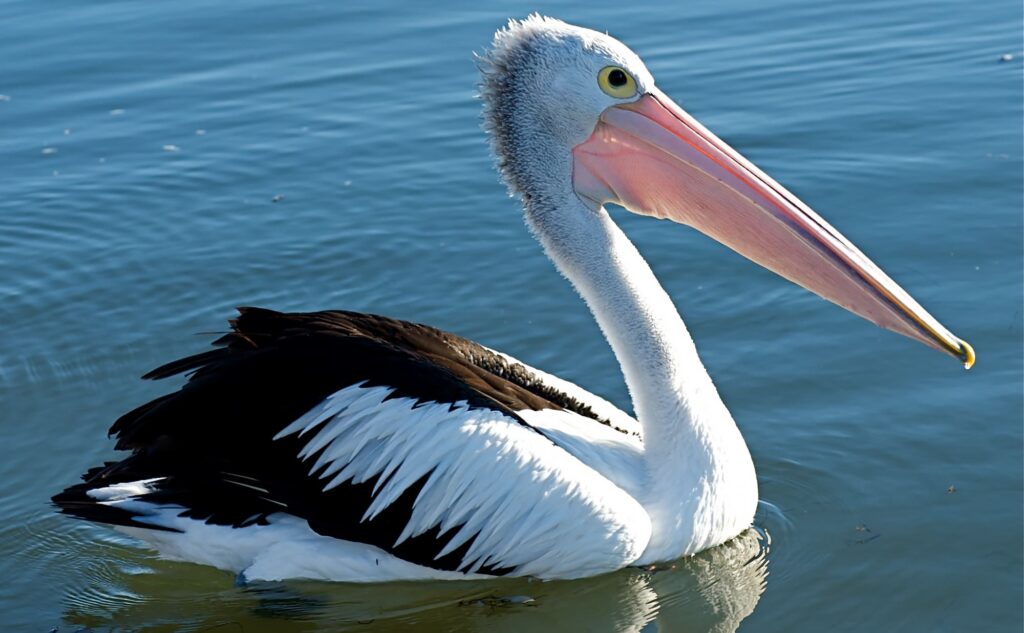
Lake Rukwa and its surrounding areas offer a different birding experience, particularly known for its large waterbird populations.
- Birdlife: Lake Rukwa is famous for its massive Great White Pelican ( Pelecanus onocrotalus) colony, which can number in the tens of thousands, making it one of the largest in Africa. The lake and its wetlands also attract numerous other waterbirds, with over 400 species recorded in the greater Uwanda Game Reserve area, which encompasses part of the Lake Rukwa ecosystem. You can expect to see various storks, cormorants, herons, egrets, and other waterfowl.
- Best Time for Birdwatching: The wet season (November to May) is considered the best time for birding around Lake Rukwa as migratory birds arrive, and resident species are breeding.
- Habitats: The lake itself, along with its shores, papyrus reeds, and surrounding woodlands, provides diverse habitats for a wide range of bird species. The nearby Uwanda Game Reserve also offers acacia and Miombo woodlands that attract different bird communities.
Coast of Lake Tanganyika

The shores of Lake Tanganyika offer a unique birding environment, combining freshwater lake habitats with the surrounding woodlands and mountains.
- Birdlife: The birdlife along Lake Tanganyika is diverse, with species adapted to the lake, beaches, and the adjacent forests. In Mahale Mountains National Park, which borders Lake Tanganyika, around 355 bird species have been recorded. Expect to see waterbirds such as pelicans and various storks along the sandy beaches. The forests are home to species like the malachite kingfisher, pied kingfisher, African fish eagle, Livingston’s turaco, Narina trogon, crested guineafowl, and various colorful bee-eaters.
- Best Time for Birdwatching: While birding can be good year-round, the wet season (November to April) is often excellent for spotting migratory species and seeing resident birds in their breeding plumage.
- Habitats: The varied habitats along the coast include sandy beaches, rocky shores, riverine forests, and the slopes of the Mahale Mountains covered in verdant forests, all contributing to the diversity of birdlife.
In summary, each of these locations provides distinct birdwatching opportunities. Katavi offers a classic wilderness experience with a mix of woodland and waterbirds, Lake Rukwa is renowned for its vast waterbird congregations, especially pelicans, and the coast of Lake Tanganyika combines lake and forest birding in a stunning setting. Visiting these areas during the wet season generally provides the best chances for observing a wide variety of species.
