
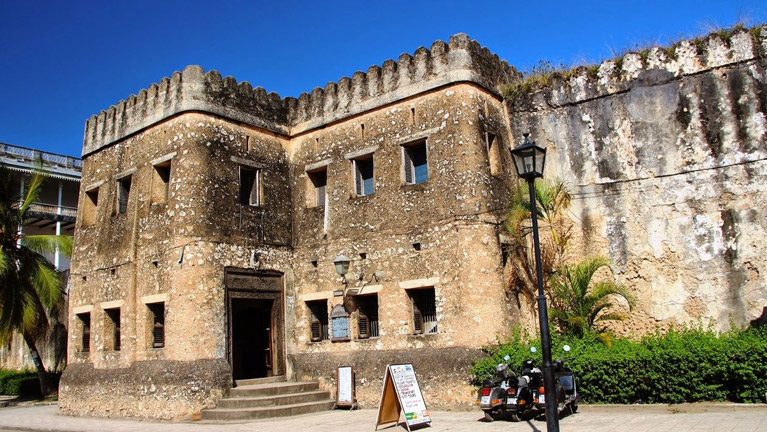
Along Tanzania’s coastline, where the warm ocean breeze carries stories of centuries past, stands a town with a name as poetic as it is powerful — Bagamoyo, meaning “Lay down your heart.” But behind this gentle name lies a painful and complex history that shaped not only Tanzania but the entire East African coast. For those seeking a meaningful, emotional, and educational travel experience,
A Gateway of Sorrow and Trade.
During the 18th and 19th centuries, Bagamoyo became one of the most active slave ports on the East African coast. Thousands of enslaved men, women, and children were brought from the interior — often walking hundreds of kilometers — and held in Bagamoyo before being shipped to slave markets in Zanzibar, Arabia, India, and beyond.
This quiet seaside town, now calm and welcoming, was once a place of immense suffering. But today, it opens its arms to travelers from around the world who come not only to learn but to bear witness, remember, and carry the stories forward.
Key Historical Sites on the Slave Trade Tour
The Slave Holding Cells.
Hidden beneath what is now the Roman Catholic Mission Museum, the underground slave holding cells are some of the most chilling yet important stops on the tour. These cramped spaces once held dozens of enslaved people awaiting transport. The cold stone walls still seem to echo the silent cries of those who passed through.

The Old Catholic Mission.
Founded in 1868 by the Holy Ghost Fathers, this was East Africa’s first Catholic mission, and it played a vital role in the abolition efforts. It became a refuge for freed slaves and orphans, and the compound today includes a museum filled with photos, records, and artifacts. It also houses the tomb of David Livingstone, the famed explorer whose body rested here before being transported to Britain.
The Caravan Serai Museum.
This was the last stop for many before being shipped across the ocean. Here, you’ll find detailed exhibits on the slave routes, trade goods, and the human cost of the East African slave trade. Maps, chains, and firsthand accounts paint a vivid picture of the region’s painful history.
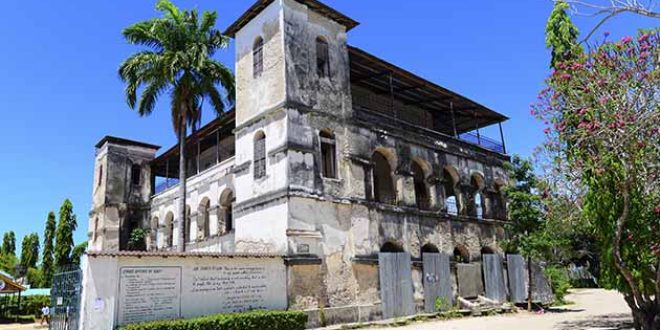
The German Boma and Customs House.
These colonial-era buildings, built in the late 1800s, show Bagamoyo’s transition from a center of the slave trade to a colonial administrative post. While not directly tied to slavery, they complete the picture of Bagamoyo’s historical timeline.
A Journey of Reflection and Education.
A slave trade tour in Bagamoyo isn’t just about visiting old buildings — it’s about understanding human history, acknowledging the mistakes of the past, and reflecting on how far we’ve come. For many visitors, the experience is deeply emotional, offering a new perspective on Africa’s role in global history and the strength of those who endured unimaginable hardship.
This is also a journey of hope and healing. Today, Bagamoyo is a peaceful town, rich with Swahili culture, art, and music. Its people welcome guests warmly, sharing stories with dignity and pride in their heritage.
Best Time to Visit.
Planning your visit to Bagamoyo is both simple and rewarding. The town is located in the Pwani Region of Tanzania, easily accessible from Dar es Salaam, making it a convenient stop for travelers exploring the coast. While the historical sites are open throughout the year, the best time to visit is during the dry season, from June to October, when the weather is more pleasant for walking tours. Most museums and heritage sites charge a small entry fee, and guided tours are available to enhance your experience with deeper insights and storytelling. To make the most of your visit, it’s a good idea to wear comfortable walking shoes and bring along essentials like a sun hat, drinking water, and even a journal — many visitors find themselves inspired to reflect and write during this emotional journey through history.
