

The Cultural and Historical Importance of Bagamoyo
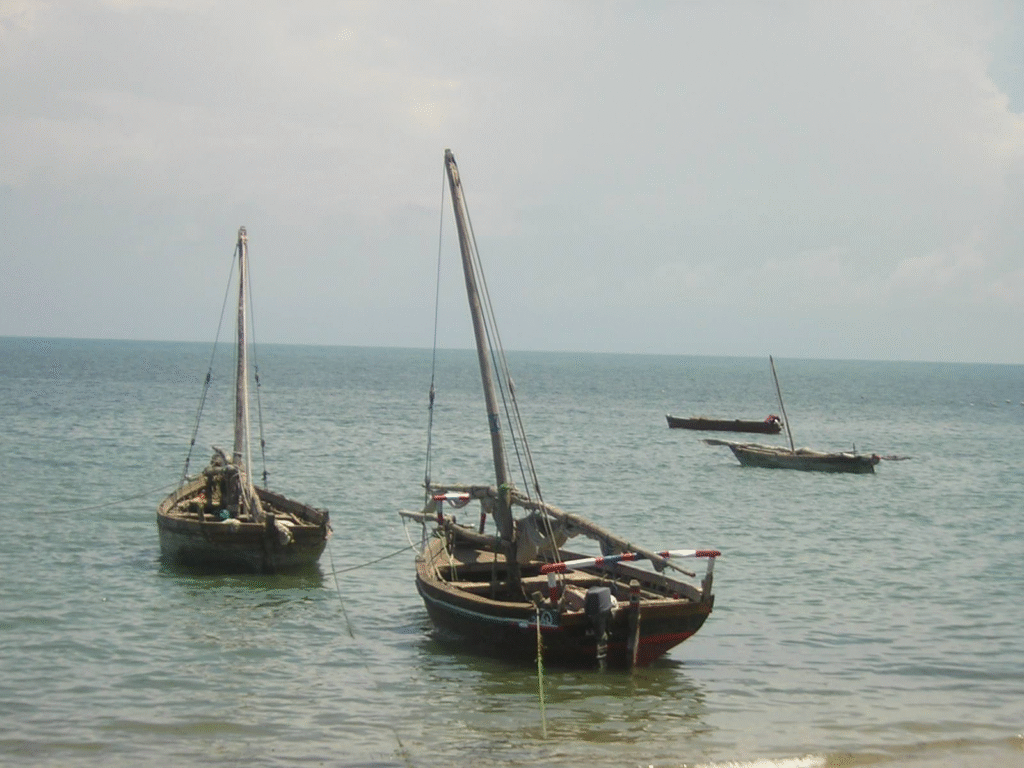
Bagamoyo, located on Tanzania’s northern coast along the Indian Ocean, is a town steeped in history and cultural significance. Its name means “Lay Down Your Heart” in Swahili, reflecting a place where many sailors, traders, and travelers paused on their journeys. One of the town’s most treasured legacies is its dhow-building tradition — an ancient craft that not only symbolizes maritime heritage but also underpins the local economy, social fabric, and cultural identity. Dhows are traditional wooden sailing vessels, iconic for their slender shape and distinctive triangular sails, widely used along the East African coast and across the Indian Ocean for centuries.
Historical Roots and Evolution of Dhow-Building in Bagamoyo
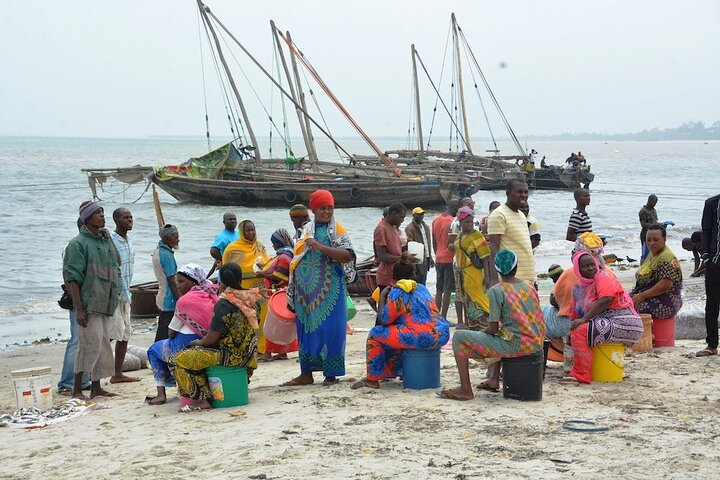
The dhow-building craft in Bagamoyo is part of a larger historical context shaped by centuries of trade between East Africa, the Arabian Peninsula, India, and beyond. Archaeological and historical records show that dhows have been used along the Swahili coast for over a thousand years, facilitating the movement of goods such as spices, ivory, gold, and slaves. Bagamoyo became a key port and trading center in the 19th century, notably during the era of the Zanzibar Sultanate, and later under German and British colonial rule. Its dhow yards served as places where skilled carpenters constructed and repaired vessels essential for commerce, fishing, and transport.
The knowledge of dhow-building was passed down orally and practically through apprenticeships within families and communities. This craftsmanship reflects a blend of Arab, Persian, Indian, and African boat-building techniques — an excellent example of cultural exchange fostered by maritime trade.
The Craftsmanship and Techniques Behind Dhow Construction
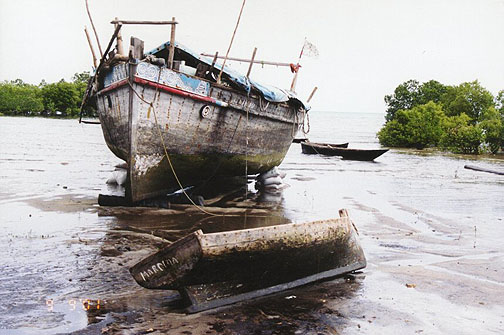
Dhow-building is a labor-intensive process requiring precise skill, knowledge of materials, and a deep understanding of the sea. Traditional dhow carpenters, called matawi or masisi, use a variety of locally sourced hardwoods, primarily mangrove poles, prized for their durability and resistance to seawater. The process begins with selecting and harvesting timber, often from the nearby mangrove forests — a practice that must be carefully managed to avoid environmental degradation.
Construction relies on manual tools such as adzes, saws, and chisels, with no use of nails or metal fasteners. Instead, planks are joined by mortise-and-tenon joints or lashed together using coir (coconut fiber) ropes. This lash-laced technique allows the hull to flex with the movement of waves, providing durability and flexibility. The distinctive lateen sail — a triangular sail set on a long yard mounted at an angle on the mast — is made from woven cloth and is designed for sailing efficiently with the coastal winds.
The building process can take several months, depending on the size and complexity of the dhow. The shipwrights work collectively, often in community boatyards located near the shoreline, where freshly built dhows are launched directly into the ocean.
Materials: Sustainable Use and Environmental Concerns

Mangrove wood remains the traditional and preferred material for dhow construction in Bagamoyo due to its natural resistance to rot and strength. However, mangrove ecosystems face threats from overharvesting, coastal development, and climate change. This has led to challenges in sourcing quality timber sustainably. To address this, some local initiatives promote reforestation of mangrove areas and encourage responsible harvesting practices.
Other materials include coconut fibers for ropes and natural resins for waterproofing hulls. Historically, artisans also used natural dyes and oils to treat sails and wood, maintaining the vessel’s seaworthiness.
Economic Role of Dhow-Building in Contemporary Bagamoyo

While motorized boats have become more common, traditional dhows continue to play a significant economic role. Many fishermen still rely on dhows for daily fishing trips along the coast, benefiting from their ability to sail quietly and efficiently even in shallow waters. Dhows are also used for inter-island transport, carrying goods and passengers between the Tanzanian mainland, Zanzibar, and other coastal areas.
The dhow-building trade supports a wide range of occupations: from carpenters, sailmakers, and rope makers, to boat owners, fishermen, and traders. This craft sustains the livelihoods of hundreds of families in Bagamoyo, many of whom depend on passing skills from generation to generation.
Additionally, dhows attract cultural tourism. Tour operators offer dhow sailing experiences to visitors, combining traditional boat rides with storytelling about the rich maritime history of the Swahili coast. This tourism aspect helps fund preservation efforts and creates new income streams for the community.
Cultural and Social Dimensions of Dhow-Building
Dhow-building is deeply embedded in the social fabric of Bagamoyo. It is more than a technical skill; it is a symbol of identity, cooperation, and resilience. The building and launching of a dhow are often community events, with ceremonies blessing the vessel for safe voyages. Such events strengthen social bonds and pass cultural values to younger generations.
Oral histories, songs, and proverbs related to dhows and the sea are common in Bagamoyo, reflecting the community’s respect for the ocean and its vessels. These boats represent a link to ancestors who navigated these waters long before modern transportation.
Challenges Facing Traditional Dhow-Building
Modernization poses serious challenges to dhow-building in Bagamoyo. Increased demand for motorized boats, stricter timber regulations, and limited access to traditional materials threaten the survival of this craft. Younger generations are often attracted to urban jobs, leaving fewer apprentices to learn the craft.
Climate change also impacts coastal communities, with rising sea levels and changing weather patterns affecting fishing and boat-building conditions. Preservation efforts now focus on training young artisans, sustainable resource management, and integrating modern techniques without losing traditional values.
Preservation and Future Prospects
Several NGOs, cultural institutions, and government programs have recognized the need to preserve Bagamoyo’s dhow-building heritage. These efforts include:
- Organizing training workshops for youth and apprentices.
- Promoting sustainable mangrove management and reforestation projects.
- Documenting construction methods and oral histories.
- Encouraging eco-tourism centered on dhow sailing.
Preserving this craft ensures that Bagamoyo’s unique maritime identity remains alive while adapting to the changing economic and environmental landscape.
Conclusion: Bagamoyo’s Dhows as a Living Heritage
Bagamoyo’s dhow-building tradition is a remarkable example of how maritime heritage shapes community, economy, and culture. These handcrafted vessels connect past to present, symbolizing centuries of trade, craftsmanship, and coastal life. Protecting and promoting this tradition is essential to maintaining Tanzania’s cultural diversity and supporting the livelihoods of coastal communities. As dhows continue to sail the Indian Ocean, they carry with them the enduring spirit of Bagamoyo — a testament to resilience, skill, and the timeless bond between people and the sea.
