
High Altitude Acclimatization and Altitude Sickness on Kilimanjaro Altitude sickness on Kilimanjaro Climbing Mount Kilimanjaro is a dream for many adventurers, but its high elevation presents serious physical challenges. One of the most critical aspects of a successful climb is understanding high altitude acclimatization and being aware of the risks of altitude sickness. This guide explains what happens to your body at high altitude, how to prepare, and how to stay safe while ascending Africa’s highest peak.
What is High Altitude and Why It Matters
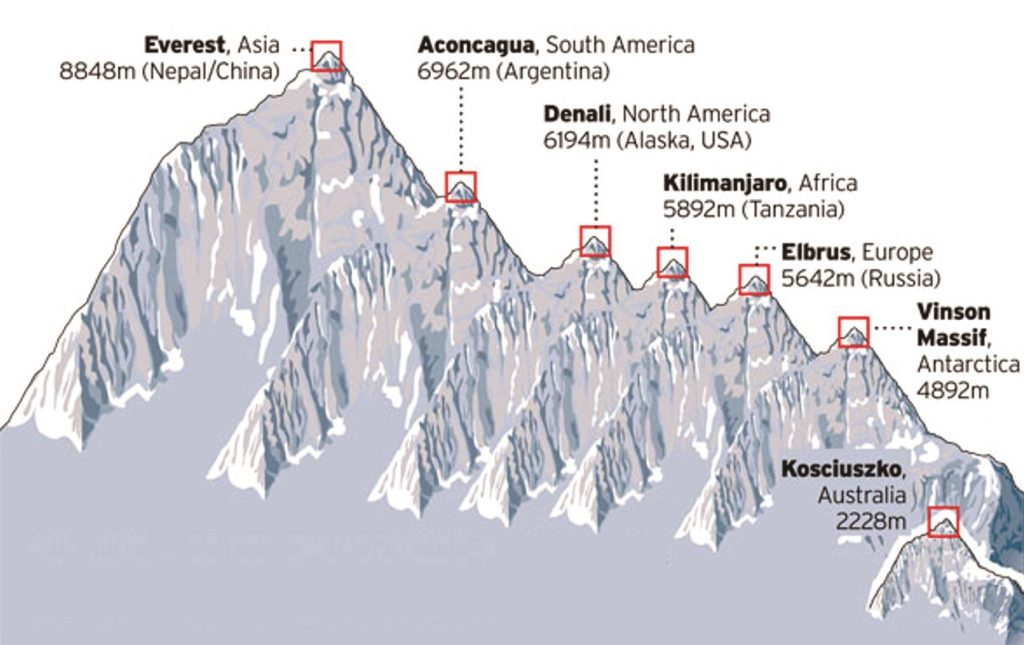
Mount Kilimanjaro stands at 5,895 meters (19,341 feet) above sea level. At this altitude, the air becomes thinner, and the oxygen level drops to about 50% of what it is at sea level. As you climb higher, your body must adjust to getting less oxygen, which is a process called acclimatization. If this adjustment doesn’t happen properly or quickly enough, you can develop altitude-related illnesses, ranging from mild to life-threatening.
Altitude Sickness on Kilimanjarbo: Understanding Altitude Sickness (AMS)
Acute Mountain Sickness (AMS) is the most common form of altitude sickness and can affect climbers at elevations above 2,500 meters. On Kilimanjaro, symptoms often appear around 3,000 meters. Early signs include headache, nausea, dizziness, fatigue, loss of appetite, and shortness of breath. In most cases, symptoms are mild and manageable with rest, hydration, and acclimatization. However, AMS can progress into more dangerous forms like High Altitude Cerebral Edema (HACE) or High Altitude Pulmonary Edema (HAPE), which require immediate descent and medical attention.
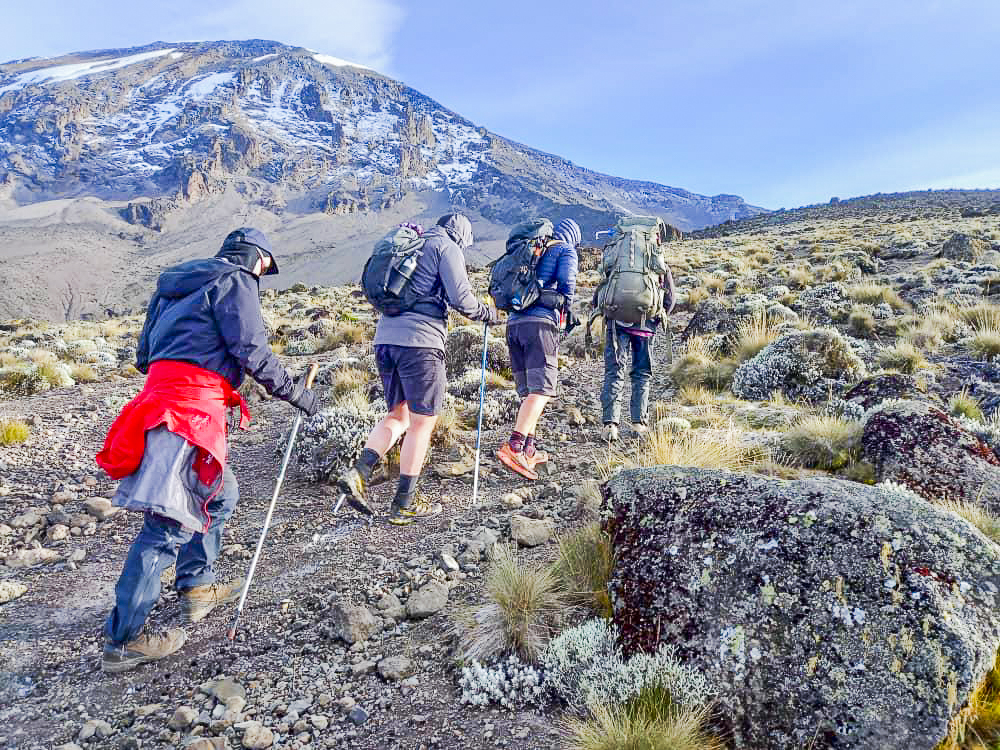
The Importance of Acclimatization on Kilimanjaro a Proper acclimatization is the key to a safe and successful Kilimanjaro climb. The best way to acclimatize is to follow the principle of “climb high, sleep low”—this means ascending during the day but sleeping at a lower elevation whenever possible. Most reputable tour companies include rest days or longer itineraries (7-9 days) to allow the body time to adapt. Slow and steady ascents significantly reduce the risk of altitude sickness and increase summit success rates.
Tips to Prevent Altitude Sickness on Kilimanjaro
To minimize the risk of altitude sickness on Kilimanjaro, consider the following tips:
- Choose a longer route (e.g., Lemosho or Northern Circuit) for better acclimatization.
- Walk slowly—”pole pole” (Swahili for “slowly”) is a common phrase on the mountain.
- Stay hydrated by drinking 3–4 liters of water per day.
- Eat enough calories, even if your appetite decreases.
- Avoid alcohol and smoking during the climb.
- Consider medication like acetazolamide (Diamox), after consulting a doctor.
- Listen to your body—never ignore symptoms or push through serious discomfort.
What to Do If You Get Altitude Sickness on Kilimanjaro
If symptoms of AMS worsen or serious signs like confusion, severe headache, or difficulty breathing appear, descent is the only reliable treatment. Most guided treks have experienced guides trained to recognize and respond to altitude-related illnesses. Portable oxygen and emergency evacuation plans are often included in quality packages, so it’s crucial to choose a reliable tour company that prioritizes safety.
Final Thoughts: Respect the Altitude
Climbing Kilimanjaro is not just a physical challenge—it’s a test of patience and body awareness. The mountain has claimed lives not because it is technically difficult, but because climbers underestimated the power of altitude. With the right preparation, slow pace, and respect for the process of acclimatization, most healthy individuals can reach the summit safely and enjoy the incredible journey above the clouds with Jambo International Tour
