
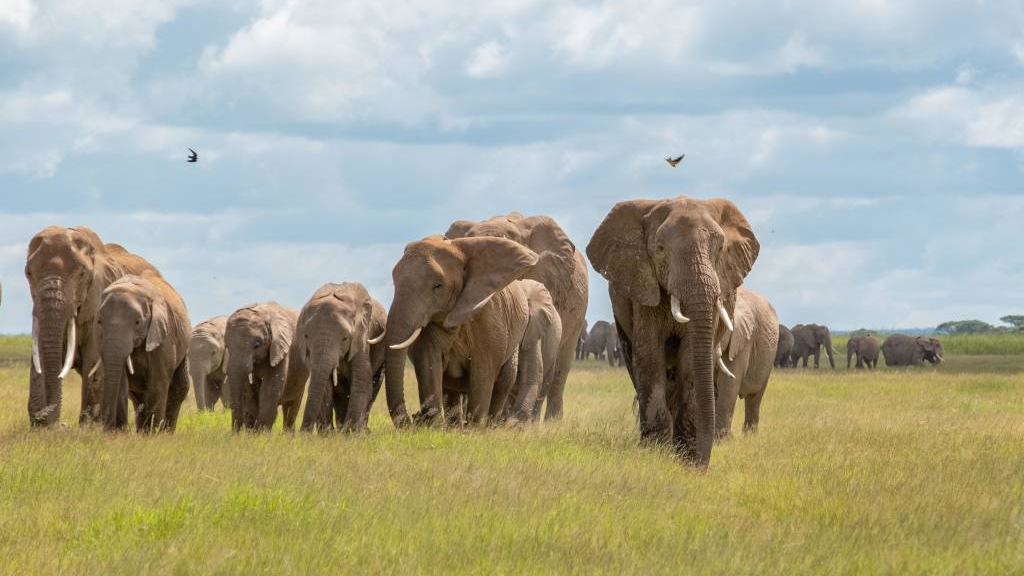
Dive into the heart of Africa with “A Guide to Tanzania’s Big Five and Beyond,” your ultimate companion to exploring Tanzania’s breathtaking wildlife. This guide takes you on an exhilarating journey to encounter the legendary Big Five—lion, leopard, elephant, buffalo, and rhinoceros—majestic creatures that embody the wild spirit of the continent. But it doesn’t stop there; it invites you to discover the rich tapestry of Tanzania’s diverse ecosystems and the extraordinary animals that thrive beyond these iconic giants. From the sweeping Serengeti plains to the mysterious depths of the Ngorongoro Crater, this guide unlocks the secrets of Tanzania’s stunning natural wonders, promising unforgettable safari adventures and memories that will last a lifetime.
What Are the Big Five in Tanzania? (Featured Snippet)
The Big Five in Tanzania refers to five of the most iconic and revered wild animals in Africa: the lion, leopard, elephant, buffalo, and rhinoceros. These animals were originally grouped together by big-game hunters because they were considered the most dangerous to hunt on foot. Today, the Big Five symbolize the ultimate safari experience, attracting wildlife lovers from around the world. Tanzania, with its vast and well-preserved ecosystems, offers unparalleled opportunities to witness these majestic creatures in their natural habitats, making it a top destination for safari enthusiasts seeking authentic encounters with Africa’s wildlife heritage.
Why Tanzania Is the Best Destination to See the Big Five Animals.
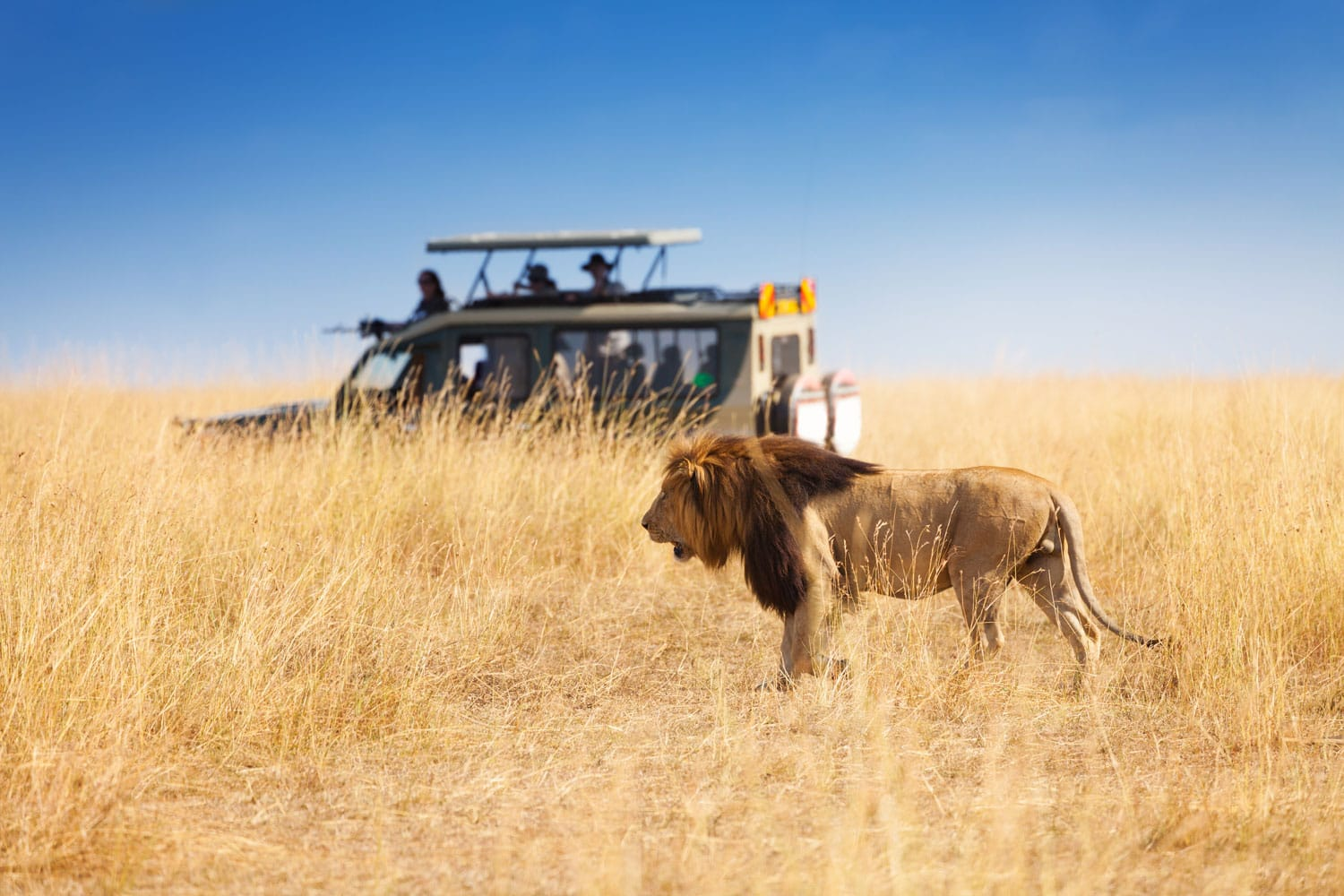
Tanzania stands out as the premier safari destination in Africa because of its enormous protected wilderness areas that support rich biodiversity and healthy animal populations. The country’s dedication to conservation ensures that the Big Five continue to thrive in their natural environment, free from excessive human interference. The Serengeti National Park, renowned worldwide for its expansive grassy plains and the breathtaking annual Great Migration, offers one of the most iconic backdrops for spotting lions, leopards, elephants, buffaloes, and rhinos. The Ngorongoro Conservation Area, a UNESCO World Heritage Site, is a volcanic caldera that acts as a natural sanctuary where all Big Five species can be seen within a concentrated area. Tarangire National Park is famous for its impressive elephant herds and ancient baobab trees, providing a unique safari experience. In addition, parks like Ruaha and Nyerere (formerly Selous) offer more remote and less crowded environments, allowing visitors to experience Tanzania’s wildlife in a more intimate setting. This combination of diverse habitats, robust animal populations, and excellent conservation policies makes Tanzania the best place to witness the Big Five and much more.
African Lions: The Kings of Savannas.
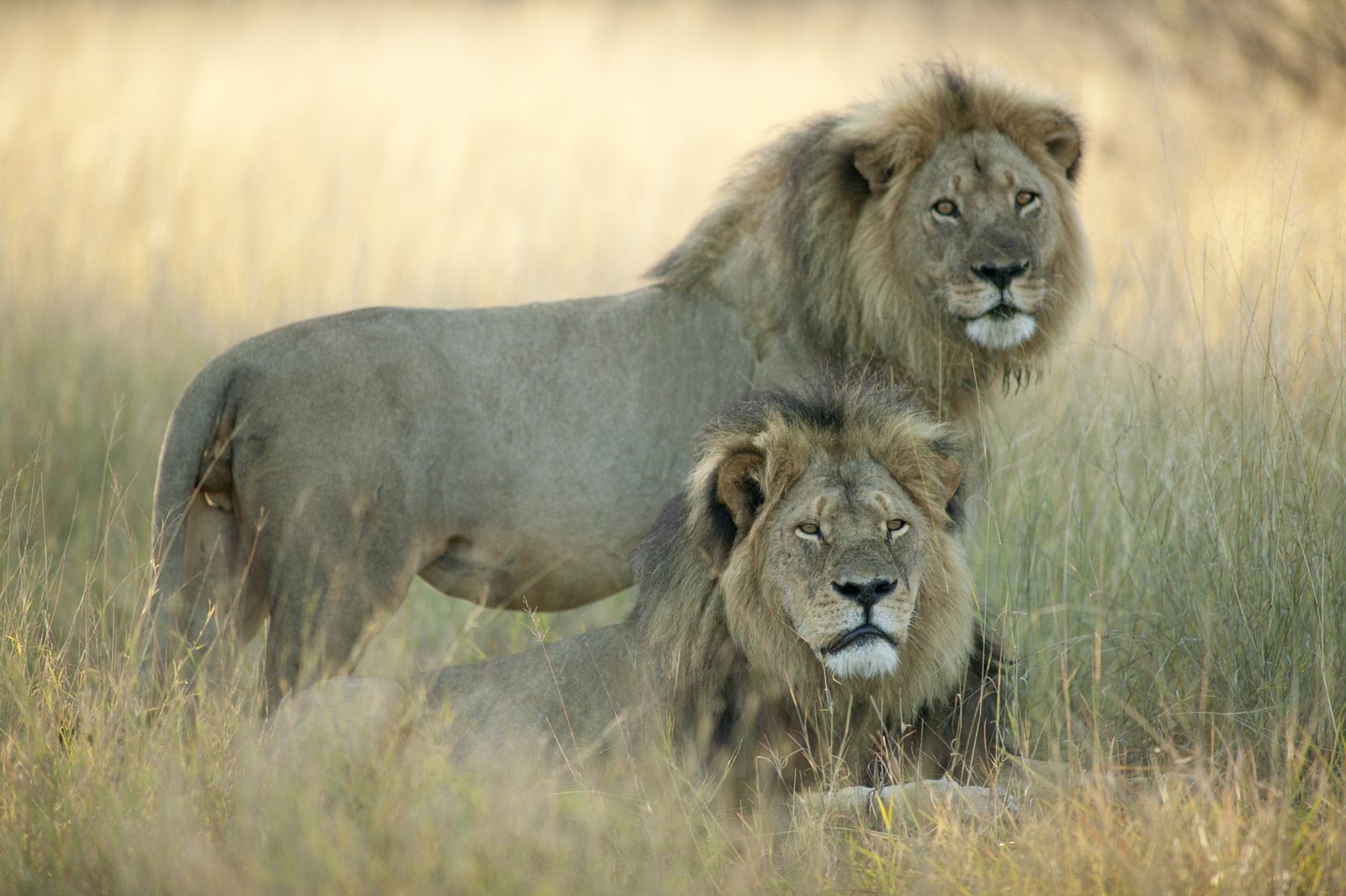
A Guide to Tanzania’s Big Five and Beyond Lions are the quintessential symbol of the African wilderness, embodying strength, pride, and social complexity. Tanzania hosts one of the largest and healthiest lion populations in Africa, particularly in the Serengeti and Ngorongoro regions. Lions live in structured prides consisting of related females, their offspring, and a coalition of dominant males. These social groups work cooperatively during hunts and in defending their territories. The roar of a lion, echoing across the plains at dawn or dusk, is one of the most stirring sounds of the African bush. Observing a lion pride provides insights into animal behavior, including nurturing mothers teaching cubs to hunt and dominant males asserting their leadership. Lions’ roles as apex predators are crucial for maintaining the balance within the ecosystem by controlling herbivore populations.
African Elephants: The Largest land Mammals.
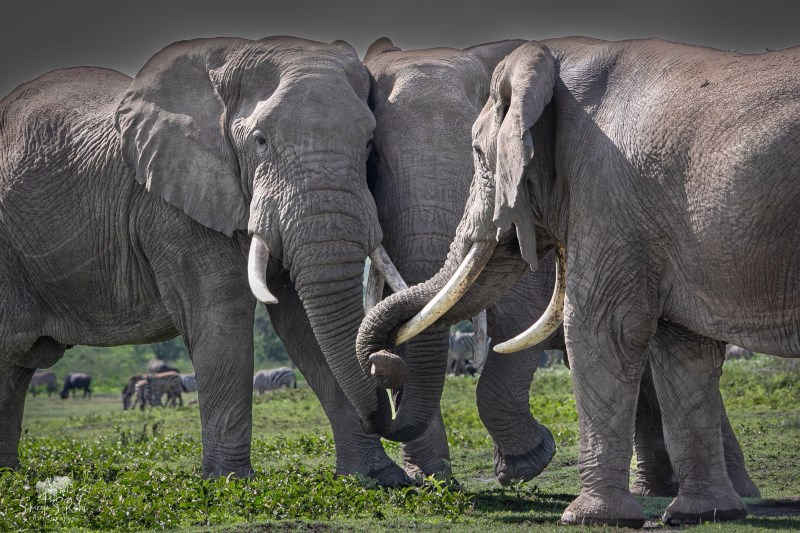
African elephants are the largest land mammals and are revered for their intelligence, emotional depth, and social complexity. In Tanzania, herds are predominantly found in Tarangire National Park, where seasonal migrations bring large groups to the Tarangire River during the dry season. These elephants live in matriarchal family units led by the oldest female, who guides the herd in finding water and food. Elephants profoundly shape their environment by uprooting trees, digging waterholes, and dispersing seeds through their dung, which enriches the soil. Watching elephants interact socially—trunks entwined in greeting, mothers caring for calves—reveals their remarkable empathy and communication skills. These giants not only dominate the landscape physically but also influence the survival of many other species through their ecological engineering.
Leopards: Masters of Stealth.
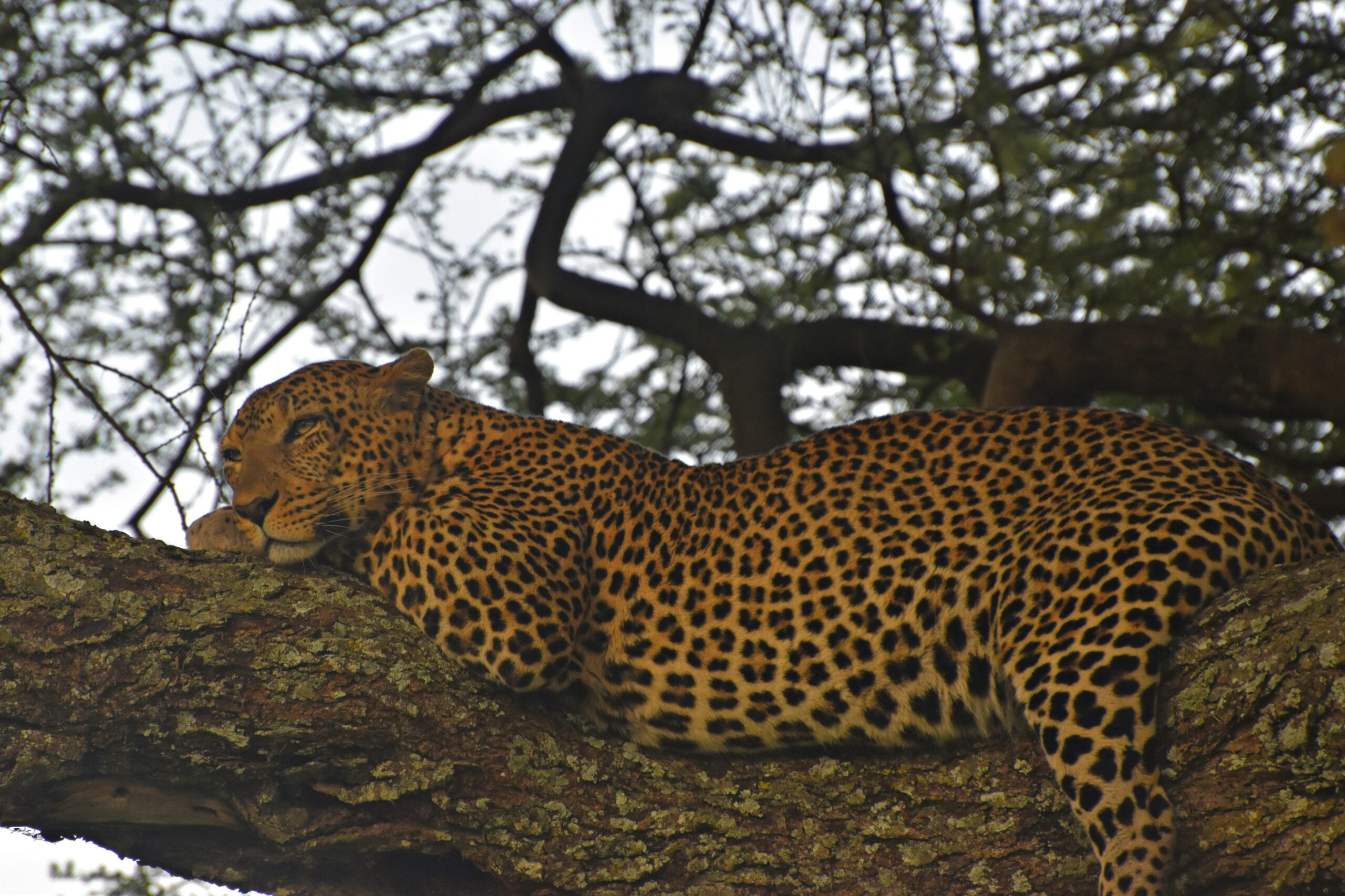
Leopards are the most secretive and adaptable members of the Big Five, thriving in diverse habitats across Tanzania’s parks such as Ruaha and Serengeti. Their distinctive rosette-spotted coats provide perfect camouflage in dense foliage or rocky terrain. Unlike lions, leopards are solitary hunters who rely on stealth and surprise to capture prey, often dragging their kills high into trees to avoid scavengers. They are primarily nocturnal, making sightings rare and highly prized. Observing leopards requires patience and sometimes luck, but the reward is witnessing one of the most skilled predators in the animal kingdom. Their ability to thrive in environments ranging from woodlands to savannas showcases their incredible adaptability and survival instincts.
Cape Buffalo: Most dangerous and unpredictable animals.

The Cape buffalo is often underestimated due to its seemingly calm demeanor, but it is among Africa’s most dangerous and unpredictable animals. These robust herbivores form large herds that provide protection against predators, primarily lions. Found in Tanzania’s Lake Manyara and Mikumi National Park, buffaloes play an essential role in maintaining grassland ecosystems by grazing heavily, which supports plant diversity and prevents bush encroachment. Their unpredictable nature and strong defensive instincts make them a formidable challenge for predators. Watching a herd of buffalo, often moving in coordinated formations, illustrates the importance of social structures for survival in the wild.
Rhinoceros: Both and black and Whites.
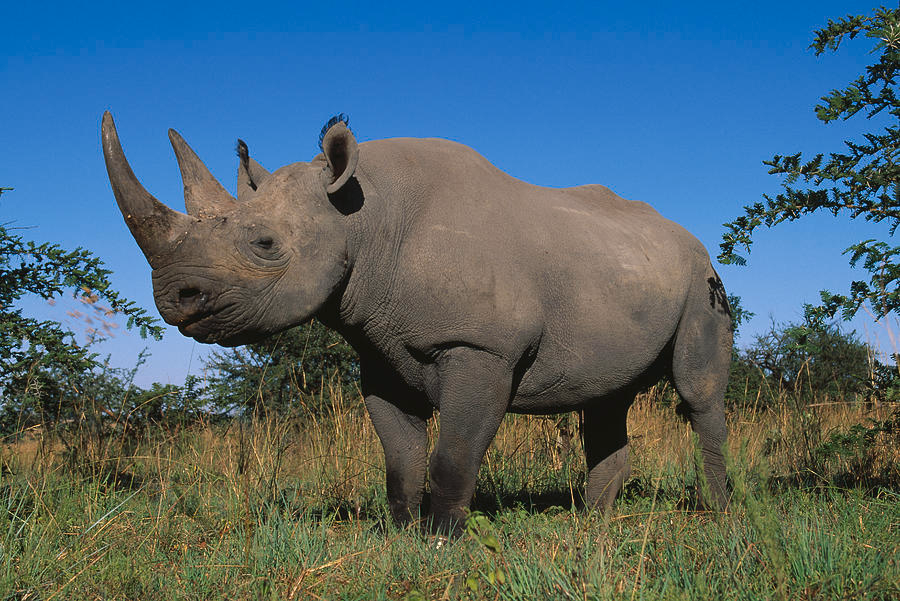
What really makes rhinos unforgettable on safari is their sheer size and unpredictability. With their thick, armor-like skin and powerful horns, they can charge with astonishing speed if they feel threatened. Even though their eyesight is poor, their sense of smell and hearing is excellent, making them highly aware of any disturbance in their territory.
The White rhinoceros and Black rhinoceros are easy to spot once you know what to look for. The white rhino has a wide, square-shaped mouth perfect for grazing, while the black rhino’s pointed upper lip helps it grab leaves and shrubs. Funny enough, the “white” rhino isn’t named for its color it comes from the Afrikaans word “wyd,” meaning wide, referring to its mouth.
Why Rhinos Are Poached.
Rhinos are targeted due to their horns, which are made of keratin the same material as human hair and fingernails misguided beliefs and luxury demand create a lucrative trade where horns are used to make old school medicine especially Asia people and this is a reason why are poached.
Beyond the Big Five Animals: There are different antelopes

A Guide to Tanzania’s Big Five and Beyond Tanzania’s richness in wildlife extends far beyond the famous Big Five. The elegant Masai giraffe, Tanzania’s national animal, roams across parks like Manyara and Ruaha, easily recognized by its intricate, unique spot patterns. The cheetah, the fastest land animal, inhabits the open plains of the Serengeti and is a marvel of speed and hunting precision. The enormous hippopotamus lives in the rivers and lakes, where their massive bodies create vital aquatic habitats for countless species. Perhaps the most famous wildlife event globally, the Great Migration, involves over a million wildebeest, along with thousands of zebras and gazelles, moving across the Serengeti in a continuous cycle of life, death, and renewal. This migration is not only a spectacular natural event but a vital ecological process supporting the balance of the savanna ecosystem. Tanzania’s diverse bird species, including vibrant lilac-breasted rollers and elegant fish eagles, also attract ornithologists and nature lovers.
Best National Parks in Tanzania for Big Five and Wildlife Viewing

Tanzania’s national parks offer diverse landscapes and unique wildlife viewing opportunities. Serengeti National Park is unparalleled for predator sightings and the Great Migration spectacle. The Ngorongoro Conservation Area’s crater provides a concentrated and easily accessible Big Five viewing experience within a breathtaking volcanic caldera. Tarangire National Park is known for its iconic baobab trees and large elephant herds, especially during the dry season. Ruaha National Park offers a more remote and wilderness experience, with fewer tourists and abundant big cats. Lastly, Nyerere National Park (formerly Selous) is one of the largest protected areas in Africa, featuring diverse habitats and boat safaris along the Rufiji River for unique wildlife perspectives.
Tips for Planning a Successful Tanzania Safari
To maximize wildlife sightings, plan your trip during Tanzania’s dry season (June to October) when animals gather near water sources and vegetation is sparse. Traveling with an experienced, licensed safari guide not only improves your chances of seeing elusive species but also enriches your understanding of animal behaviors, conservation challenges, and local culture. Equip yourself with quality binoculars and a camera with a zoom lens for memorable wildlife photography. Neutral-colored clothing helps blend into the environment, reducing disturbances to animals. Visiting multiple parks enables you to experience Tanzania’s full spectrum of habitats and wildlife diversity, from open savannas to dense woodlands.
Travel with Jambo International Tour: Your Gateway to Tanzania’s Big Five and Beyond
For those dreaming of an unforgettable Tanzanian safari, Jambo International Tour offers expertly guided, personalized safari experiences that bring you face-to-face with the majestic Big Five and the incredible wildlife beyond. With years of experience operating safaris across Tanzania’s most renowned parks, Jambo International Tour ensures travelers enjoy comfortable accommodations, knowledgeable guides, and seamless itineraries tailored to your interests and schedule.
Whether you’re aiming to witness the spectacular Great Migration in the Serengeti, explore the breathtaking Ngorongoro Crater, or discover the hidden gems in Tarangire and Ruaha, Jambo International Tour provides safe, reliable, and authentic safari adventures. Their deep local knowledge and commitment to sustainable tourism guarantee an enriching and responsible travel experience that respects Tanzania’s precious ecosystems and cultures.
Plan your dream safari with Jambo International Tour today and embark on a journey that will leave you with lifelong memories of Tanzania’s wildlife wonders!
Conclusion
Tanzania offers an extraordinary and unforgettable safari experience where the legendary Big Five roam free across vast, pristine wildernesses. Its unparalleled biodiversity, commitment to conservation, and stunning landscapes make it the ultimate destination for wildlife enthusiasts and adventure travelers alike. From the thunderous roar of lions on the Serengeti plains to the rare glimpse of a black rhinoceros hidden in the Ngorongoro bush, Tanzania connects visitors to the raw beauty and complexity of African wildlife. Exploring the Big Five and beyond here is more than a journey—it’s a profound encounter with the wild heart of Africa that will inspire and captivate for a lifetime.
