
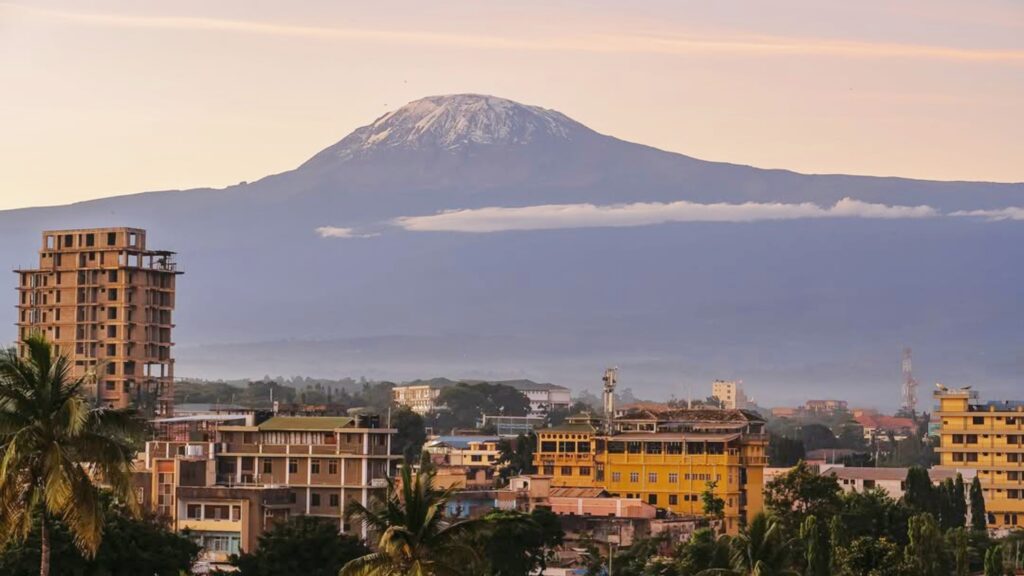
Where to Visit in Moshi a city is located at the foot of Mount Kilimanjaro, is a vibrant gateway to both adventure and culture in northern Tanzania. The town offers a variety of attractions for visitors, from the world-renowned Mount Kilimanjaro climbs — whether full ascents or scenic day hikes — to relaxing getaways like the stunning Chemka Hot Springs, where crystal-clear, geothermal waters bubble up in a tropical oasis. Nature lovers can trek to the lush Materuni Waterfalls, where you can also visit a local coffee farm to learn about traditional Chagga coffee-making processes from bean to cup. Beyond nature, Moshi invites visitors to explore bustling local markets filled with handmade crafts, fresh produce, and colorful fabrics. For a deeper connection, spend time in nearby Chagga or Maasai villages to experience authentic cultural practices, taste local cuisine, and engage in traditional dances. The town itself also offers cozy cafes, rooftop restaurants with Kilimanjaro views, and a laid-back charm that makes every moment feel personal and memorable.
Explore the Moshi Natural Attractions.
Mount Kilimanjaro Free stand Mountain.
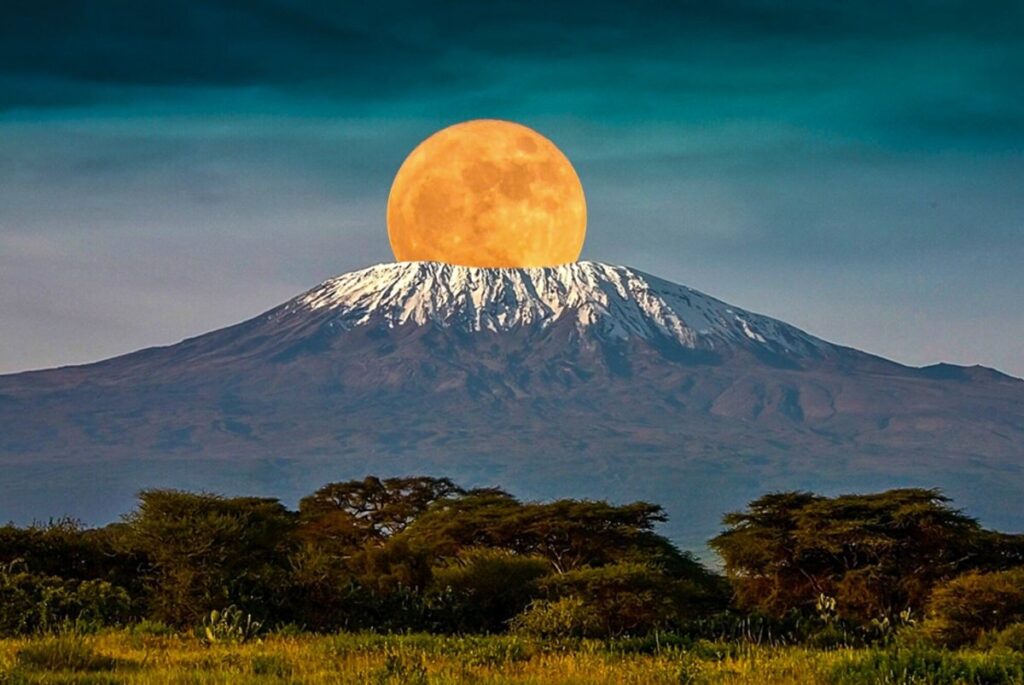
Mount Kilimanjaro stands as the crown jewel of Tanzania and a magnet for adventurers from around the world. As Africa’s highest peak, it offers multiple climbing routes such as Machame, Marangu, Lemosho, Rongai, and Northern Circuit, each with its own unique landscapes and difficulty levels. Whether you’re an experienced mountaineer aiming to reach the iconic Uhuru Peak or a casual traveler seeking a taste of the mountain, Kilimanjaro caters to all. Scenic day hikes on the lower slopes, like the Mandara Hut trail or Shira Plateau trek, provide breathtaking views of the rainforest, moorlands, and volcanic formations without requiring a full summit attempt. Along the way, hikers can spot diverse flora and fauna, including colobus monkeys, giant lobelias, and exotic birds. Guided treks ensure safety, cultural insights, and support, making Kilimanjaro not just a climb, but a journey through diverse ecosystems and a personal achievement remembered for a lifetime.
Chemka (Kikuletwa) Hot Springs.
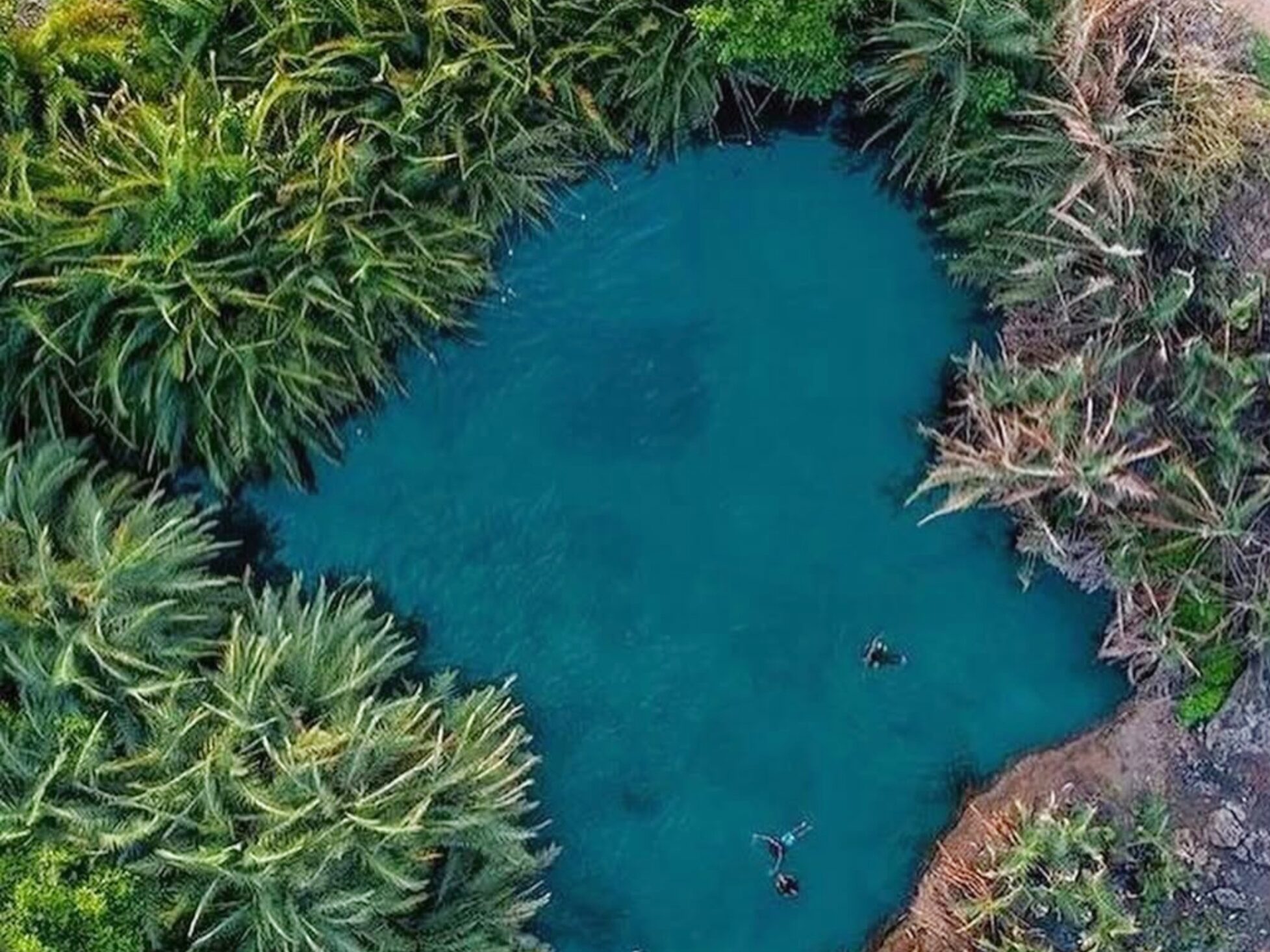
Where to Visit in Moshi also you not forget to including Chemka (Kikuletwa) Hot Springs is a hidden tropical paradise tucked away between Moshi and Arusha, offering one of the most refreshing and scenic spots in northern Tanzania. Surrounded by tall fig trees and lush vegetation, this natural geothermal spring features crystal-clear, turquoise waters ideal for swimming, floating, or simply relaxing in a hammock under the shade. Despite being called “hot springs,” the water is actually pleasantly warm, making it comfortable year-round. Visitors can swing from tree ropes into the water, enjoy a picnic by the poolside, or interact with locals who often visit the area. It’s also a great stop for day trips, especially for those looking to unwind after a Kilimanjaro hike or safari. Chemka offers the perfect blend of adventure and relaxation in an untouched, serene setting.
Materuni Waterfalls

Materuni Waterfalls, is also a place Where to Visit in Moshi the beutfull watterfalls nestled near the charming Materuni village just outside Moshi, is a must-visit for nature lovers and culture seekers alike. The waterfall plunges nearly 90 meters down a lush cliffside into a cool, clear pool—perfect for a refreshing dip after a short scenic hike through the forest. Along the way, visitors enjoy views of banana and coffee plantations, tropical flora, and sometimes even glimpses of Mount Kilimanjaro on clear days. A visit to Materuni is often combined with a traditional Chagga coffee tour, where locals guide you through the entire process—from picking the beans to roasting and grinding—ending with a freshly brewed cup made the local way. The experience offers a rich blend of natural beauty, cultural insight, and warm hospitality, making it an unforgettable day trip in the Kilimanjaro region.
Lake chale

Lake Chala is a breathtaking crater lake straddling the border between Tanzania and Kenya, offering a peaceful escape with striking turquoise waters and dramatic volcanic scenery. Formed over 250,000 years ago, the lake is surrounded by steep crater walls and lush forest, creating a serene environment for nature lovers. Visitors can enjoy a variety of activities including kayaking across the calm, deep waters, guided nature walks around the rim with views of Kilimanjaro in the distance, and even birdwatching, as the area is home to many species. The lake’s unique color shifts—from emerald green to deep blue—depending on the time of day and season, adding to its magical charm. With fewer crowds than more popular spots, Lake Chala offers tranquility, adventure, and a perfect day trip from Moshi for those seeking Where to Visit in Moshi.
Rau Forest Reserve
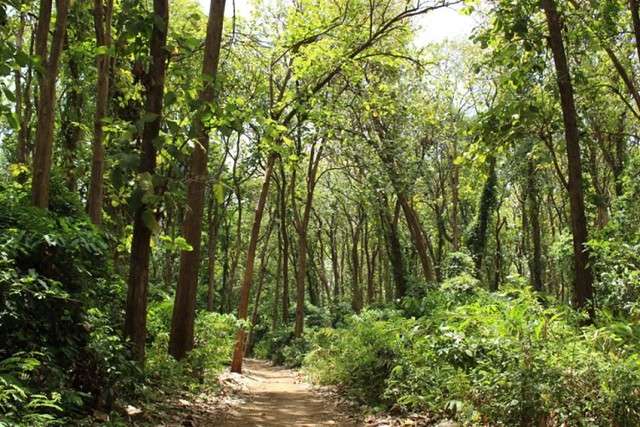
Where to Visit in Moshi also is a Rau Forest Reserve a peaceful sanctuary located just outside Moshi town. It’s one of the last remaining lowland forests in the Kilimanjaro region, offering visitors a lush and quiet escape from busy life. The forest is perfect for birdwatching, with over 70 species recorded, including hornbills, sunbirds, and kingfishers. Nature enthusiasts can enjoy guided walks through tall trees, freshwater streams, and a rich variety of butterflies and monkeys. The reserve is also a place of cultural significance, as local communities consider it sacred and use it for traditional ceremonies. Rau Forest is an ideal destination for eco-tourism, photography, and educational trips, all while supporting local conservation efforts.
Moshi’s Living Culture.
Marangu Village
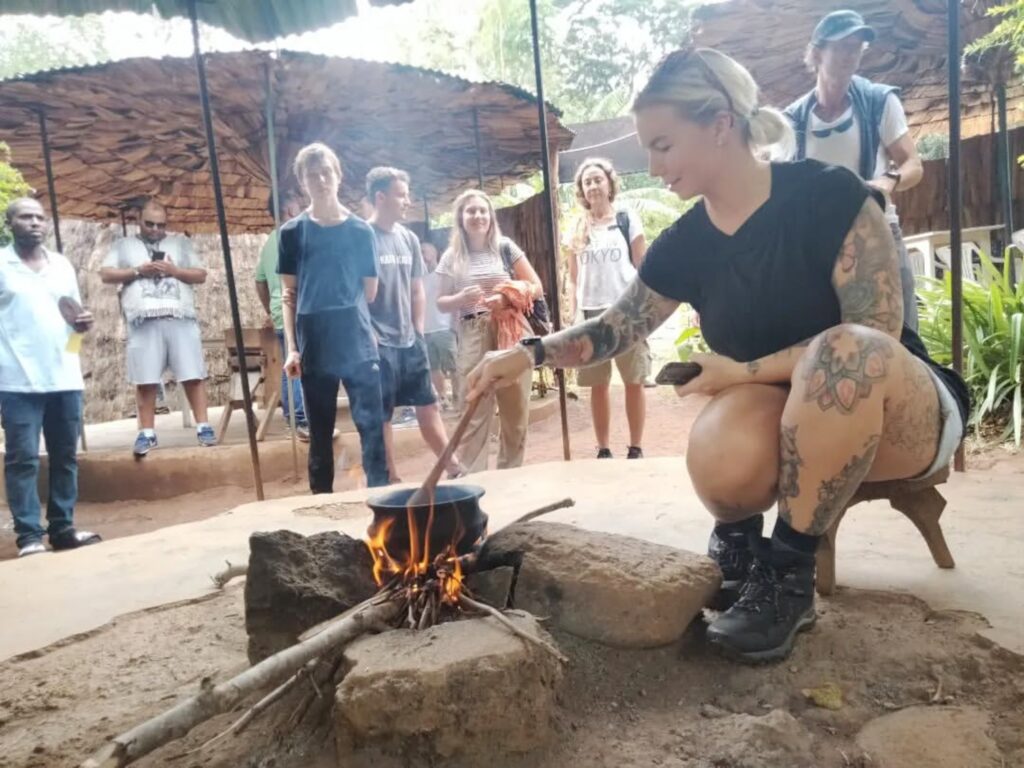
Marangu Village, nestled on the slopes of Mount Kilimanjaro, is a popular stop for travelers looking to experience authentic Chagga culture. The village is best known for its lush coffee farms, where visitors can take part in traditional coffee-making tours—from bean picking to roasting and tasting fresh local brews. Alongside the rich coffee experience, cultural tours give you a glimpse into the daily life of the Chagga people, including visits to traditional homesteads, banana plantations, and sacred caves once used as hiding places during tribal wars. With its cool climate, green surroundings, and views of Kilimanjaro, Marangu offers a perfect blend of nature, culture, and history and is nice place it can fit this Where to Visit in Moshi
Maasai Cultural Village.

A place Where to Visit in Moshi also is Maasai Cultural Village offers an unforgettable opportunity to experience one of Tanzania’s most iconic ethnic groups. Located near the base of Mount Kilimanjaro or in the surrounding plains, these villages welcome visitors to immerse themselves in Maasai traditions. You’ll learn about their unique way of life—how they herd cattle, build traditional “enkang” homes, and pass down stories through dance and song. The visit often includes traditional dance performances, a look at Maasai beadwork, and even a chance to join in everyday activities. It’s more than just a tour—it’s a chance to connect with a proud people who continue to live in harmony with nature and hold tightly to their cultural identity.
Moshi Markets: A Colorful Taste of Local Life.

Exploring the bustling markets of Moshi, like Memorial Market and Mbuyuni Market, offers a vibrant look into the heart of local Tanzanian life. These markets are full of energy, color, and the rich aromas of fresh produce, spices, and street food. You’ll find everything from handmade crafts and fabrics to locally grown fruits, vegetables, and coffee beans. It’s the perfect place to shop for souvenirs, such as Maasai jewelry, kitenge fabrics, or carved wooden items. Beyond shopping, the markets provide a real cultural experience—interacting with friendly vendors, witnessing the hustle of daily trade, and tasting authentic local snacks like chapati or roasted maize. Visiting Moshi’s markets is more than just buying goods—it’s about soaking in the rhythms and flavors of everyday Tanzanian life.
Coffee Tours: From Bean to Brew on the Slopes of Kilimanjaro

Tanzania is known for its high-quality Arabica coffee, and a coffee tour in the Moshi area lets you experience the journey from bean to cup firsthand. These tours usually take place in villages like Marangu or Materuni, where coffee is still grown using traditional methods passed down through generations. You’ll walk through lush coffee farms, learn how the beans are planted, harvested, dried, and roasted—often over an open fire—and then enjoy a freshly brewed cup made by your own hands. Along the way, you’ll hear stories about the cultural significance of coffee in Chagga traditions and its importance to the local economy. Coffee tours are both educational and relaxing, offering beautiful scenery and a true taste of local hospitality.
