


Climbing Mount Kilimanjaro isn’t just about reaching Africa’s tallest peak—it’s about conquering a global icon of adventure, endurance, and natural beauty. Rising 5,895 meters above sea level in northeastern Tanzania, this dormant stratovolcano draws trekkers worldwide to experience its diverse ecosystems, breathtaking landscapes, and the ultimate challenge of standing on Uhuru Peak.
For those planning to embark on this unforgettable journey, Jambo International Tour offers expertly guided Kilimanjaro treks. With a range of routes including Marangu, Machame, and Lemosho, they provide tailored experiences to suit various fitness levels and preferences. Their team of experienced guides ensures safety, proper acclimatization, and a memorable adventure. Whether you’re aiming for the summit or exploring the surrounding areas, Jambo International Tour is a trusted partner in making your Kilimanjaro experience exceptional.
Climbing Mount Kilimanjaro Tips
Climbing Mount Kilimanjaro requires more than just determination—it calls for the right preparation. To increase your chances of success, choose a longer route that allows time to acclimatize, such as Lemosho or Machame. Stay hydrated, pace yourself, and listen to your body as altitude changes can be challenging. Pack wisely with layered clothing, proper boots, and essential gear for both cold nights and warm days. Most importantly, train in advance with regular hikes and cardio exercises to build endurance. With the right mindset and preparation, the journey to the Roof of Africa becomes both rewarding and unforgettable.
Climbing Mount Kilimanjaro Via Different Seven Routes
When planning to climb Mount Kilimanjaro, choosing the right route is one of the most important decisions. Each path offers unique scenery, accommodation styles, and success rates. Among the most famous are the Marangu, Machame, Lemosho, and Shira routes, each catering to different preferences and levels of experience.
Marangu Route.
Known as the “Coca-Cola Route”, Marangu is the only path that provides hut accommodations with dormitory-style beds instead of tents. It is considered the easiest path technically, but due to its shorter duration, acclimatization is limited, giving it a moderate success rate
The 5-day Marangu route has a notably lower summit success rate compared to the 6-day itinerary, which achieves 70-75% or higher due to its better acclimatization profile. For the best chance of success, we recommend you: 1) Select a 6 or 7-day itinerary, 2)
Machame Route
Often called the “Whiskey Route”, Machame is one of the most popular choices for climbers. It offers varied scenery and a longer trekking period that improves acclimatization. Camping is required along this trail, and the success rate is higher, usually around 80–90%, making it ideal for adventurous trekkers.
Lemosho Route
Famous for its breathtaking landscapes and quieter trails, Lemosho is a favorite among experienced climbers. It offers excellent acclimatization due to its longer duration, with success rates of 85–90%. Accommodation is in tents, but the extra days make the trek more comfortable and rewarding.
Shira Route
The success rate for Kilimanjaro’s Shira Route varies significantly with itinerary length, from approximately 55% on a faster-paced 6-day climb to about 85% on an 8-day itinerary. The shorter route starts at a higher altitude with less time to acclimatize, increasing the risk of altitude sickness, while longer itineraries dramatically improve summit chances by allowing the body to adjust properly.
Umbwe Route
The Umbwe Route is the steepest and most direct path up Kilimanjaro. It’s physically demanding and best suited for experienced climbers with strong endurance. With success rates of 60–70% for 6-day climbs and 70–80% for 7-day climbs, the Umbwe Route is among Kilimanjaro’s most challenging paths. Accommodation is in tents, and while the trail is less crowded, it is considered the most difficult route on the mountain.
Northern Circuit Route
The Northern Circuit is the longest route on Kilimanjaro, usually taking 9 days, which allows for excellent acclimatization. This gives it the highest success rate of all routes—around 90% or more. Trekkers enjoy quiet trails, stunning views of the northern slopes, and a less crowded experience. Accommodation is in tents, and it’s ideal for climbers who want the best balance of comfort, scenery, and summit success.
Rongai Route
The Rongai Route approaches Kilimanjaro from the north near the Kenyan border, but the trek remains fully in Tanzania. It is less crowded and offers a gentler, gradual ascent, making it ideal for first-time climbers. Accommodation is in tents along the trail. Success rates are generally 75–85%, thanks to good acclimatization opportunities and a steady climbing profile. Trekkers on Rongai enjoy scenic views of the mountain’s northern slopes and a quieter, more peaceful trekking experience.
What You Need to Know Before Climbing Mount Kilimanjaro
Physical & Mental Preparation
Climbing Kilimanjaro demands both strength and determination.
Physical Preparation: Climbing Mount Kilimanjaro requires endurance, strength, and flexibility. Begin training at least 2–3 months in advance with a combination of cardio exercises like running, cycling, or swimming to boost cardiovascular fitness. Include strength training for legs, core, and back muscles to handle steep ascents and carrying a daypack. Hiking practice on varied terrain, preferably with elevation, is essential to simulate mountain conditions. Gradually increase the duration and difficulty of hikes to build stamina and confidence. Don’t forget stretching exercises to improve flexibility and reduce the risk of injuries during long trekking days.
Mental Preparation: Prepare yourself for challenging conditions, unpredictable weather, and the patience needed to pace yourself over several days. Visualization, mindfulness, and setting realistic expectations can strengthen your mental resilience.
Medical Check-Up & Safety
Prior to the climb, a medical check-up is recommended. Ensure you are fit for high-altitude trekking and discuss any pre-existing conditions with your doctor. Vaccinations and preventive medications may also be required.
Follow-Up During the Climb
Proper care during the trek ensures a safer and more enjoyable experience.
Acclimatize Slowly
Taking your time during the Climb is essential. Gradual ascents allow your body to adjust to higher elevations, reducing the risk of altitude sickness and increasing your chances of reaching the summit safely. Embrace the concept of “pole-pole” (slowly, slowly) to give your body time to adapt to the altitude. Choosing longer routes or adding extra rest days can make a significant difference in your acclimatization and overall success.
Stay Hydrated
Drink plenty of water to prevent dehydration and assist with acclimatization. Maintaining proper hydration is key to sustaining energy levels and helping your body cope with the thin mountain air.
Manage Health
Listen to your body and take breaks when needed. Use guides and porters for support, monitor for symptoms of altitude sickness, and follow their advice. Eating small, frequent meals and pacing yourself during steep climbs also helps maintain strength and focus.
Where is Mount Kilimanjaro Located

First things first, let’s talk location! Kilimanjaro is majestically situated in northeastern Tanzania, East Africa, not far from the Kenyan border. What makes it truly unique is that it’s the highest free-standing mountain in the world. Unlike peaks that are part of a vast range, mount Kilimanjaro rises dramatically from the surrounding plains, creating an awe-inspiring spectacle.
Kilimanjaro isn’t just a mountain; it’s a dormant stratovolcano with a fascinating volcanic history. It’s actually made up of three distinct cones:
- Kibo: This is the highest and central cone, and it’s dormant, meaning it could potentially erupt again someday. Uhuru Peak, the very summit of Kilimanjaro, is found right here on Kibo.
- Mawenzi: The second-highest cone, Mawenzi is an extinct volcano with a distinctly jagged, eroded peak.
- Shira: The oldest and lowest of the cones, Shira is also extinct and has largely eroded into a vast plateau.
A Journey Through Climate Zones
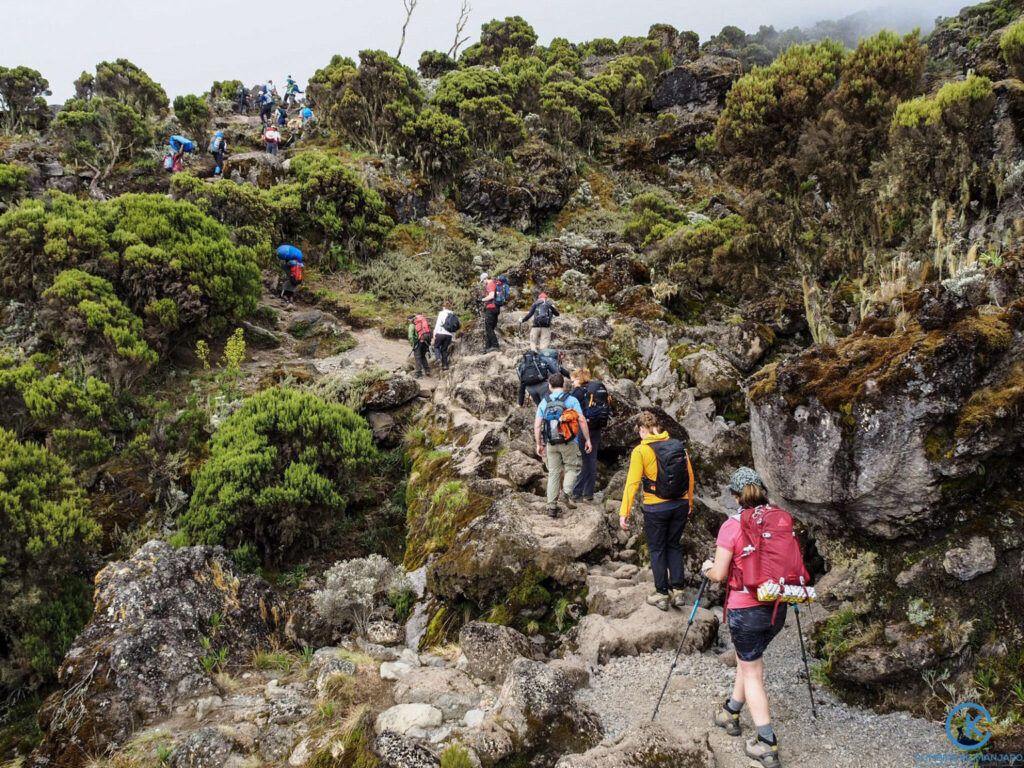
One of the most incredible experiences of climbing Mount Kilimanjaro is witnessing the dramatic changes in scenery and climate. It’s like travelling from the equator to the Arctic in just a few days! You’ll pass through five distinct ecological zones:
- Cultivation Zone: The fertile lower slopes, home to local farms and villages.
- Rainforest Zone: Lush, humid, and teeming with diverse plant and animal life.
- Heath/Moorland Zone: Open, vast landscapes with unique giant lobelia and groundsel plants.
- Alpine Desert Zone: A drier, rockier, and colder environment with sparse vegetation.
- Arctic Zone: The summit area, characterized by snow, ice, and extremely cold temperatures.
A Bit of History and Etymology
The first recorded successful ascent of Kilimanjaro was in 1889 by German geologist Hans Meyer and Austrian mountaineer Ludwig Purtscheller, aided by their local guide, Yohani Kinyala Lauwo. The exact origin of the name “Kilimanjaro” is still debated, but theories suggest it could mean “mountain of greatness,” “mountain of caravans,” or “white mountain.”
Wildlife Wonders on the Lower Slopes
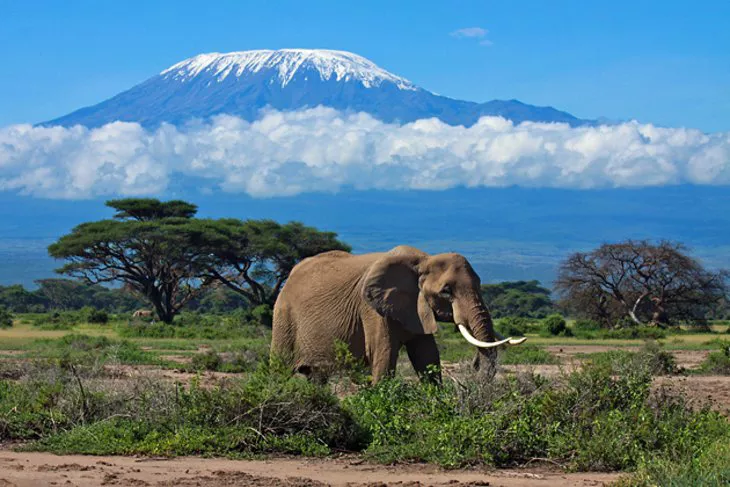
While the summit is a stark, icy landscape, the lower slopes and forests are home to a surprising array of wildlife, including elephants, buffalo, various monkey species, and eland. You’ll also find unique and endemic plant species, such as the impressive giant groundsel.
Final Thought
Climbing Kilimanjaro is more than just a bucket-list item—it’s a journey through climate zones, physical limits, and unforgettable views. Whether you’re chasing the summit or simply admiring it from afar, Kilimanjaro will leave an impression that lasts a lifetime.
