
Bride Price Traditions Seen on Safari: Understanding Tanzanian Customs a land rich in diverse cultures and traditions, offers a fascinating glimpse into the practice of bride price during traditional wedding ceremonies. While you might not witness a full bride price negotiation on a typical safari, understanding its significance enriches your appreciation of Tanzanian society.
What is Bride Price (Mahari/Lobola)?
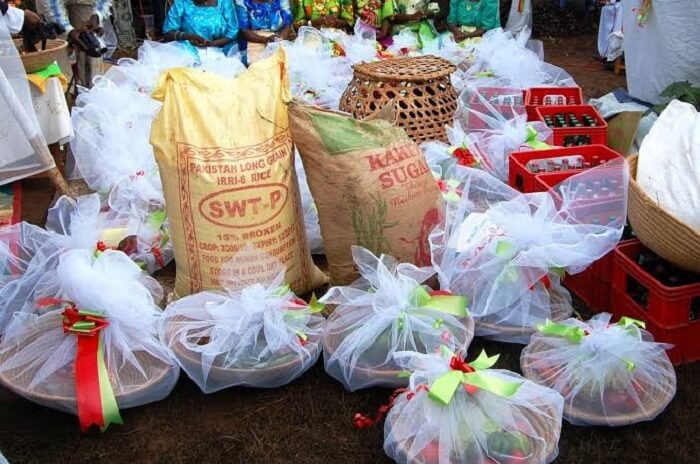
In Tanzania, bride price, often referred to as “Mahari” (especially in Swahili communities and those influenced by Islamic customs) or “Lobola” (a term more commonly used in Southern Africa but understood), is a traditional payment or exchange of gifts from the groom’s family to the bride’s family. It’s crucial to understand that this practice is not about “buying a wife.” Instead, it carries deep cultural and symbolic meaning:
- Sign of Respect and Appreciation: It’s a gesture of gratitude and respect to the bride’s family for raising and nurturing their daughter.
- Formalizing the Union: It legitimizes the marriage in the eyes of the community and serves to solidify the bond between the two families, signifying a merger of lineages rather than just two individuals.
- Demonstration of Commitment: It shows the groom’s ability and willingness to provide for his future wife and family.
- Strengthening Familial Ties: The negotiations and exchange often involve extended family members from both sides, fostering stronger relationships.
What Does Bride Price Consist Of?
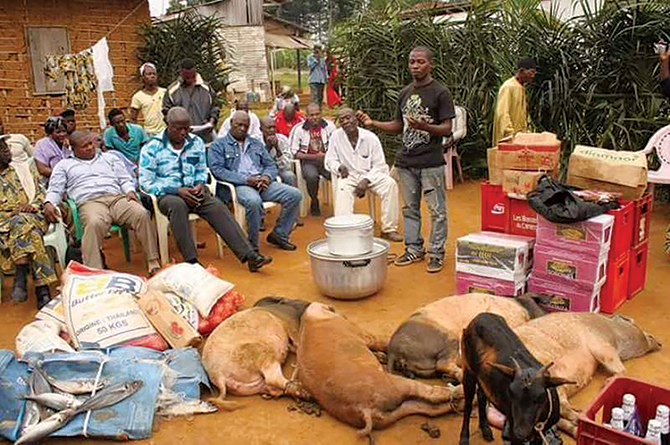
The nature and value of the bride price vary significantly across Tanzania’s more than 120 ethnic groups. Common forms include:
- Livestock: For many pastoralist communities, like the Maasai, cattle are a central and highly symbolic component of the bride price. The number of cattle can reflect the bride’s education, social status, and the wealth of the families.
- Money: Cash payments are increasingly common, especially in urban areas, often as an equivalent to traditional items.
- Other Valuable Items: This can include clothing, jewelry, household goods, food items, and traditional drinks.
The Negotiation Process
Bride price negotiations are a significant pre-wedding ritual, often involving elders from both families. These discussions can be lengthy and are characterized by respect and diplomacy, aiming to reach an agreement satisfactory to all parties.
- Varying Approaches: Some tribes, like the Sukuma, are known for extensive and sometimes “fierce” negotiations. Others, like the Zaramo, may have more predetermined amounts based on cultural norms.
- Not Always Paid in Full: In some traditions, the bride price is not expected to be paid in full at once. A portion might be paid, with the remainder being a symbolic debt that reinforces the ongoing bond between the families, often settled through smaller gifts over time (“Kitunza undugu”).
- Impact of Modernization: While traditions endure, modernization has influenced the practice. Some contemporary weddings blend traditional elements with modern influences, and discussions about the financial burden of bride price and its implications for gender equality are ongoing.
Observing Traditions on Safari
While a safari focuses on wildlife and landscapes, you might indirectly observe aspects of these traditions. For instance, if you visit a Maasai village, you may see the importance of cattle in their daily lives, which directly relates to their bride price customs. Local guides, especially those from the communities you visit, can offer insights into these practices if you ask respectfully.
Important Considerations for Visitors
- Respect and Sensitivity: Always approach discussions about cultural practices with respect and sensitivity.
- Diversity: Remember that Tanzania is incredibly diverse, and customs vary greatly from one ethnic group to another. Avoid generalizations.
- Not a Transaction: Reiterate that bride price is a cultural practice with deep meaning, not a commercial transaction.
Understanding bride price traditions provides a deeper appreciation of the rich cultural tapestry that makes Tanzania such a unique and captivating destination.
Conclusion
Exploring bride price traditions on safari with Jambo International Tour offers a unique window into Tanzanian customs and cultural values. Witnessing these age-old practices firsthand provides a deeper understanding of family, respect, and community bonds that shape Tanzanian society. Beyond the wildlife and landscapes, these cultural experiences enrich your journey, leaving lasting memories and a profound appreciation for the country’s heritage.
